A guide to Hvar's wildflowers - Spring edition

A beautiful overview of Hvar's rich springtime flower offerings by Marion Podolski.

Brilliant poppies on Hvar in springtime. Brilliant poppies on Hvar in springtime. Photo: Vivian Grisogono

Marion reports:

I’ve been inspired this spring to get outside and learn more about Hvar’s plantlife. I see local folks using flowers and leaves in  drinks, in cooking, as insect repellants, balms and of course to flavour various rakijas! At the same time, we’ve also been watching a wonderful Croatian TV series called Lovac na bilje, which is to say, The Plant Hunter.  Each week, we watched Anton Rudan hike through glorious countryside, chatting to local experts and telling us about some of the special plants there and how they can be used. Fascinating stuff!
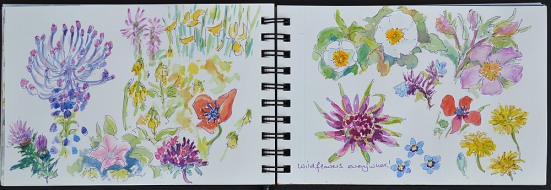
The sun colours flowers and art colours life!

The sun colours flowers and art colours life!

So for the last few weeks I’ve been diligently taking photos of as many flowers as I could find among the paths and byways, sometimes in fields or by the beach. And as part of my explorations, I’ve even had a go at painting some of them! My next step, of course, is to identify each one, and tag my photos with an official name in Latin, English and Croatian. As you’d expect, I’m finding that it’s easy enough to take photos, but much harder to track down the names!!
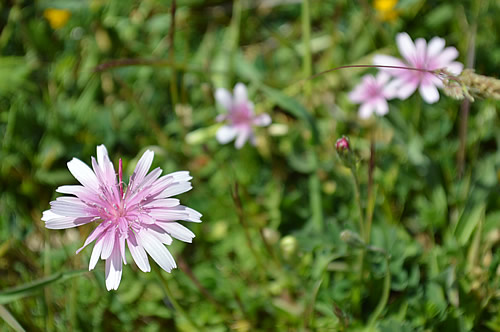
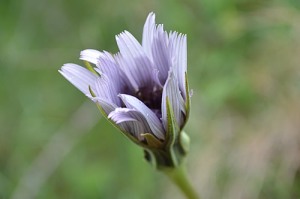
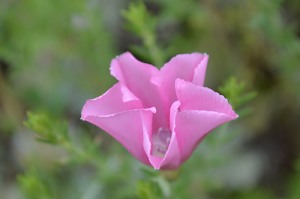
Unidentified pink flowers at Asseria

Unidentified pink flowers at Asseria - subsequently identified as blue lettuce (Lactuca perennis, modra salata)

To start with, I’d photograph the flowers with a narrow depth of field, so the flower is sharply in focus, but the surrounding is nicely blurred. It really does make the flowers stand out beautifully. However… that essentially gives me no information at all about the rest of the plant which could have been really useful!
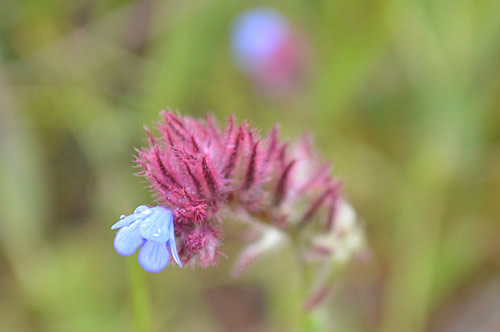
No information on leaves!

How to identify? No visible leaves!

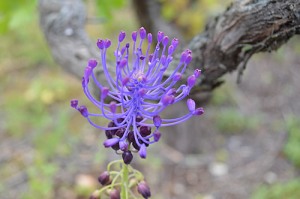
To help ID the flowers, I have a couple of books of plants of the Adriatic coast and islands (in Croatian), plus two iPad apps on wildflowers of Europe/UK, and online resources such as Wikipedia and Plantea.hr. What I’m learning, of course, is the infinite variety of plantlife, and the fact that the ones I’ve photographed don’t always look like the standard references! For example – a flower might be listed under a different colour, or be a radically different shape from that shown, as with this delicate candelabra which turns out to be a variant of a grape hyacinth!
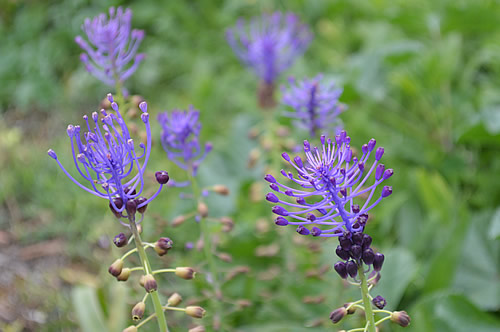
Tassel hyacinth

Tassel hyacinth

It’s been a surprise to me how many of these wildflowers, that are basically scattered everywhere, turn out to have very familiar names – chicory, salsify, vetch, sage, borage, mallow, campion, sorrel, pyrethrum, and so on. Native Mediterranean plants, but long ago introduced further north for their medicinal and culinary properties. Now I know chicory root has been used as a coffee substitute for years, but I had no idea that it has such a lovely blue flower!

So here’s my reference table of the flowers, at least the ones I’ve identified so far.  Disclaimer… while I have a reasonable confidence in most of the names for these plants, some are tentative and I’d be happy to hear from anyone who has a rather better grounding in botany! Click on the images for a bigger picture, and links go to wikipedia or plantea to find out more.
allium-roseum-rosy-garlic
Allium roseum
Rosy garlic
Ružičasti luk
White and pink versions exist. The pink flowers are a tasty garnish for salads.
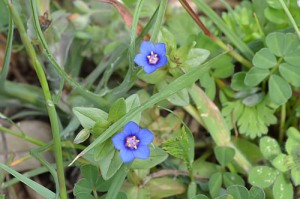
anagallis-arvensis-blue-pimpernel
Analgallis arvensis
Blue pimpernel
Poljska Krivičica
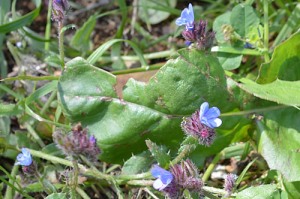
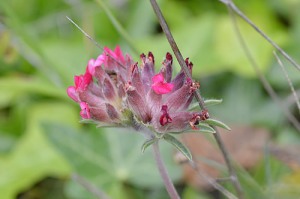
anchusa-bugloss
Anchusa arvenensis / officinalis
Bugloss
Volujak?
Could not find an exact match for the hairy red buds, but appears to be a type of bugloss.
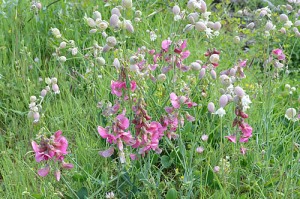
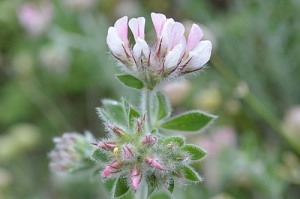
anthyllis-vulneraria-pink-kidney-vetch
Anthyllis vulneraria L. subsp praepropera
Pink kidney vetch / woundwort
Ranjenik
More usually yellow? Any plant with -wort as its English name indicates medicinal use.
antirrhinum-snapdragons-and
Antirrhinum majus
Snapdragon
Zijevalica
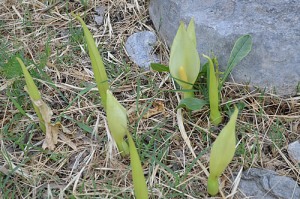
arum-italicum-italian-lords-and-ladies
Arum italicum
Italian lords-and-ladies
Veliki kozlac
Photographed in a Kastela vineyard
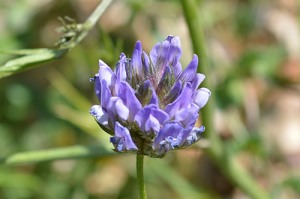
bitumenaria-arabian-pea
Bituminaria bitumenosa
Arabian pea or pitch trefoil
Djeteljnjak
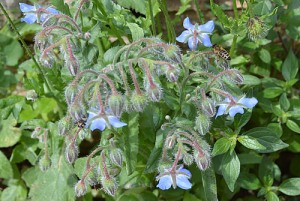
borage-with-bee
Borage officinalis
Borage or starflower
Boražina
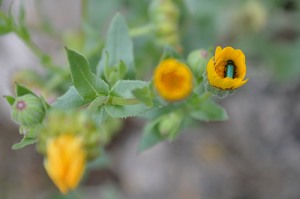
calendula-arvensis-field-marigold-green-beetlejpg
Calendula arvensis
Field marigold
Neven (calendula officinalis)
Pretty green beetle in the flower!
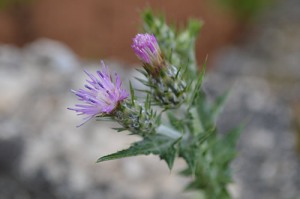
carduus-pycnocephalus-italian-thistle
Carduus pycnocephalus
Italian (plumeless) thistle
Sitnoglavičasti stričak
cichorium-intybus-chicory
Cichorium intybus
Chicory
Cikorija
Root is used in cooking and as substitute for coffee.
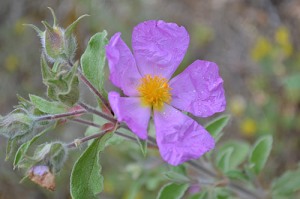
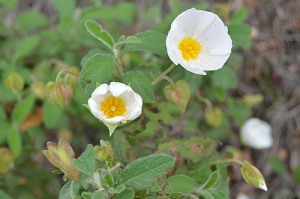
cistus-rockrose

cistus-white-rockrose
Cistus
Rockrose
Bušin

Two varieties – pretty in pink and in white.
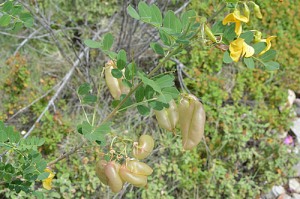
Colutea-arborescens-bladder-senna
Colutea arborescens
Bladdernut tree or bladder senna
Drvolika pucalina
More a shrub than a tree
convolvulus-althaeoides-mallow-bindweed2
Convolvulus althaeoides
Mallow bindweed
Finodlakavi slak
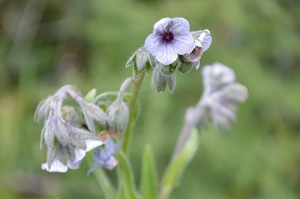
cynoglossum-creticum-blue-hounds-tongue
Cynoglossum creticum
Blue hound’s tongue
Grčki pasji jazik
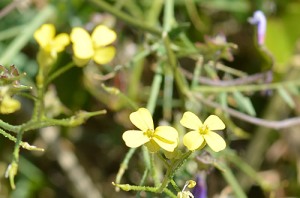
diplotaxis-tenuifolia-perennial-wallrocket
Diplotaxis tenuifolia
Perennial wall-rocket
Uskolisni dvoredac
dorycnium-hirsutum-hairy-canary-clover
Dorycnium hirsutium
(Hairy) canary clover
Čupava bjeloglavica
Love the name!
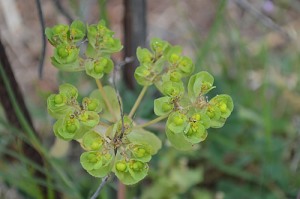
euphorbia-characias-dalmatian-spurge
Euphorbia characias
Mediterranean spurge
Velika mlječika
euphorbia-heliocopia-spurge
Euphorbia helioscopia
Spurge
Mlječika suncogled
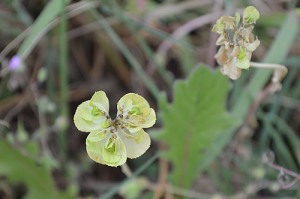
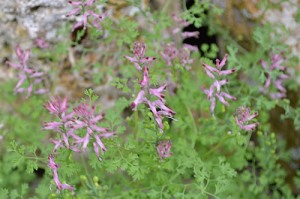
fumaria-officinalis-fumitoryFuminaria officinalis
Fumitory
Dimnjača
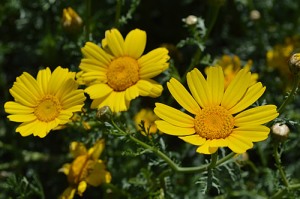
glebionis-coronaria-crown-daisy
Glebionis coronaria
Crown daisy
Croatian name unknown
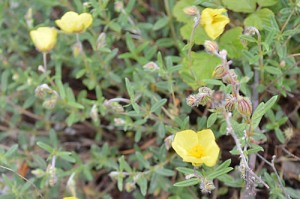
helianthemum-nummularium-common-rockrose
Helianthemum nummularium
Common rock-rose
Sunčanica
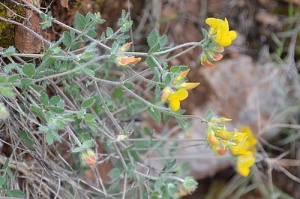
hippocrepis-comosa-horseshoe-vetch-close
Hippocrepus comosa
Horseshoe vetch
Croatian not known
leopoldia-comosa-tassel-hyacinth1
Leopoldia comosa or Muscari comosum
Tassel hyacinth
Kitnjasta presličica
Two versions on the latin name. Related to grape hyacinth.
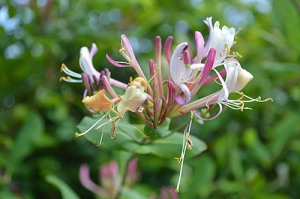
lonicera-implexa-Aiton-honeysuckle
Lonicera implexa Aiton / caprifolium
Honeysuckle
Orlovi Nokti
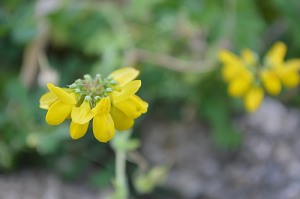
lotus-corniculatus-birds-foot-trefoil
Lotus corniculatus
Bird’s Foot Trefoil
Svinđuša
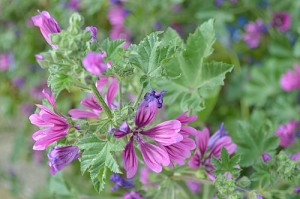
malva-sylvestris-mallow
Malva sylvestris
Mallow
Crni sljez
Photographed in Split
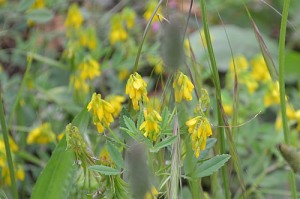
melilotus-officinalis-yellow-sweet-clover
Melilotus officinalis
Yellow sweet clover
Žuti kokotac
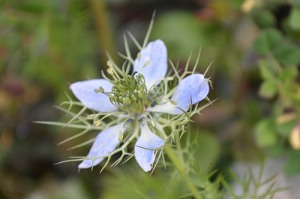
nigella-damascena-love-in-a-mist
Nigella damascena
Love-in-a-mist
Crnjika
Native to the Mediterranean, was already known in English cottage gardens in Tudor times.
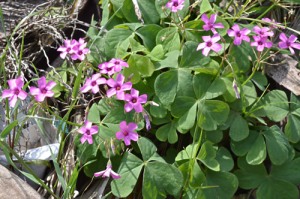
oxalis-pink-sorrel
Oxalis articulata
Pink sorrel
Cecelj
Native to S. America! Now widespread in Europe
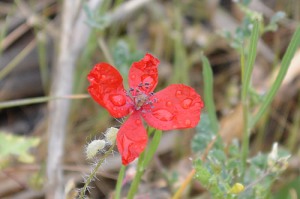
papaver-argemone-poppy
Papaver argemone
Prickly poppy
Mak
Unusual, very tiny poppy seen in the hills.
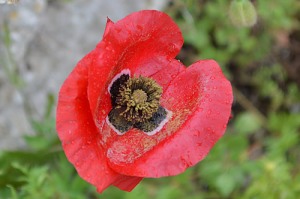
papaver-poppy-single
Papaver rhoeas
Poppy
Divlji mak
Common poppy, seen everywhere!
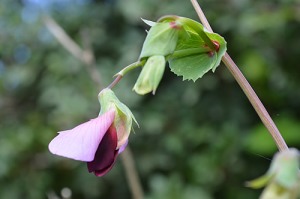
pisum-sativum-pea
Pisum sativum
Pea
Grašak
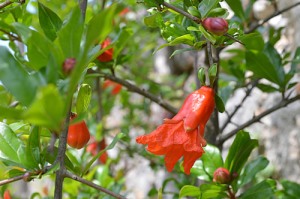
punica-granatum-pomegranate
Punica granatum
Pomegranate
Nar
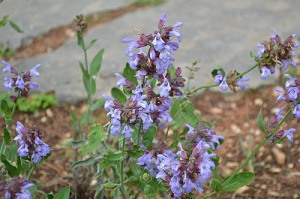
salvia-officinalis-sage-2
Salvia officinalis
Sage
Kadulja
Makes a lovely cordial drink
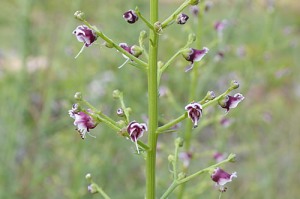
scrophularia-figwort
Scrophularia nodosa
Figwort
Čvorasti /Uskolisni strupnik
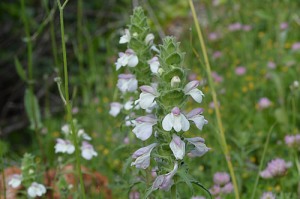
sideritis-romana-ironwort
Sideritis romana
Ironwort
Sredozemni očist
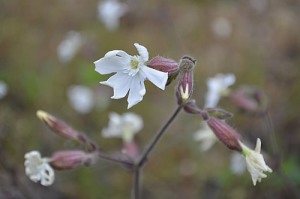
silene-latifolia-white-campion
Silene latifolia
White campion
Pušina
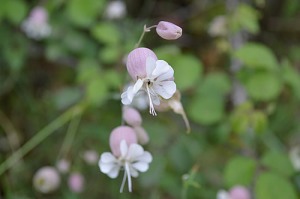
silene-vulgaris-bladder-campion
Silene vulgaris
Bladder campion
Pušina
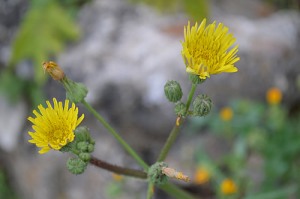
sonchus-asper-prickly-sowthistle
Sonchus asper
Prickly sow-thistle
Oštri kostriš
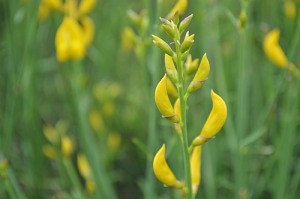
 spartium-junceum-spanish-broom-2
Spartium junceum
Spanish broom
Brnistra
 
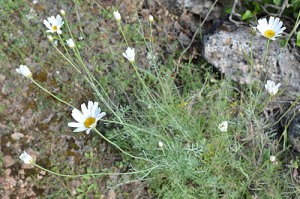
Tanacetum cinerariifolium
Pyrethrum
Buhač
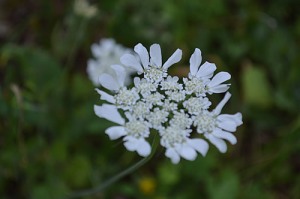
 tordylium-apulium-mediterranean-hartwort
Tordylium apulium
Mediterranean hartwort
Apulijska orja šica
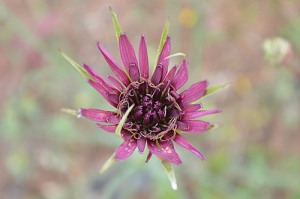
 tragopogon-purple-salsify
Tragopogon porrifolius
Purple or common salsify
Lukasta kozja brada
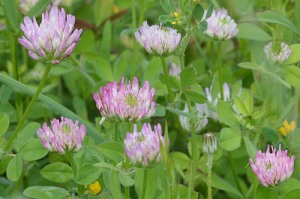
 trifolium-clover
Trifolium
Clover
Djetelina
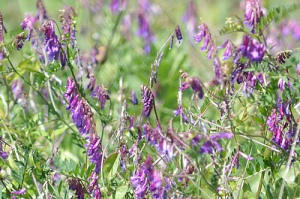
 vicia-villosa-hairy-vetch
Vicia villosa Roth
Hairy vetch
Vlasastodlakava grahorica

“Art is unquestionably one of the purest and highest elements in human happiness. It trains the mind through the eye, and the eye through the mind. As the sun colours flowers, so does art colour life.”

~ John Lubbock (1834-1913) The Pleasures of Life

© Marion Podolski

This article has been reproduced with kind permission from Marion's blog Go Hvar, Ramblings about a far island. Visit the blog for all kinds of information about Hvar, from artistic to epicurean!

Many thanks to Norman Woolons of Dol for identifying the pink flower from a match in his orchard.

Nalazite se ovdje: Home Informacije Novosti iz prirode A guide to Hvar's wildflowers - Spring edition

Eco Environment News feeds

  • Shas Sheehan challenges refusal to remove 25,000 tonnes of waste causing ‘grave environmental hazard’ near school

    A 25,000-tonne illegal waste dump next to a primary school in Wigan presents “a grave environmental hazard” and should be cleared, the chair of the Lords environment committee has told the government.

    Shas Sheehan challenged the refusal of the Environment Agency to clean up an illegal waste dump in Bolton House Road in the Greater Manchester town, given the agency was spending millions clearing up illegal waste deposited in Kidlington, Oxfordshire.

    Continue reading...

  • States and financial bodies using modelling that ignores shocks from extreme weather and climate tipping points

    Flawed economic models mean the accelerating impact of the climate crisis could lead to a global financial crash, experts warn.

    Recovery would be far harder than after the 2008 financial crash, they said, as “we can’t bail out the Earth like we did the banks”.

    Continue reading...

  • At a party event in a school hall in Lewisham, people told me how disillusionment with Labour has led to this moment

    “How many?”

    On the end of the phone is a nice press officer for the Greens, head full from a long day in Gorton, Manchester, showing off their would-be MP. And now, as Friday’s sky turns indigo, I’m calling about reports from Lewisham, south London, that tomorrow they’re expecting a flood of 500 Green activists. This comes as a surprise to the party’s own news machine.

    Aditya Chakrabortty is a Guardian columnist

    Continue reading...

  • Castletown Bay, Isle of Man: The smell is unpleasant, but these slimy mounds are full of flies, molluscs and sand hoppers – all vital winter food

    My British Trust for Ornithology wetland bird survey includes patrolling a storm beach, which, at this time of year, has huge piles of rotting wrack thrown up by the gales. They’re made up of hand-like fronds of laminaria, bladderwrack with its buoyant bubble vesicles, sugar kelp and the long “washing line” strands of non-native sargassum seaweed that arrived from Japan on Pacific oysters and ships’ hulls in recent years.

    These slimy, smelly heaps are generally unpopular with passersby – some even call for their removal – but for wildlife they are a food source of the highest quality.

    Continue reading...

  • Known as ‘white gold’, lithium is among the most important mined elements on the planet – ideal for the rechargeable batteries used in tech products. Can Europe’s largest deposit bring prosperity to the local community?

    It looks more like the past than the future. A vast chasm scooped out of a scarred landscape, this is a Cornwall the summer holidaymakers don’t see: a former china clay pit near St Austell called Trelavour. I’m standing at the edge of the pit looking down with the man who says his plans for it will help the UK’s transition to renewable energy and bring back year-round jobs and prosperity to a part of the country that badly needs both. “And if I manage to make some money in the process, fantastic,” he says. “Though that is not what it’s about.”

    We’ll return to him shortly. But first to the past, when this story begins, about 275-280m years ago. “There was a continental collision at the time,” Frances Wall, professor of applied mineralogy at the Camborne School of Mines at the University of Exeter, explained to me before my visit. This collision caused the bottom of the Earth’s crust to melt, with the molten material rising higher in the crust and forming granite. “There are lots of different types of granite that intrude at different times, more than 10m years or so,” she says. “The rock is made of minerals and, if you’ve got the right composition in the original material and the right conditions, then within those minerals there are some called mica. Some of those micas contain lithium.”

    Continue reading...

  • Researchers say waste dumping and climate breakdown have contributed to rise in brick, concrete and glass on beaches

    As much as half of some British beaches’ coarse sediments may consist of human-made materials such as brick, concrete, glass and industrial waste, a study has suggested.

    Climate breakdown, which has caused more frequent and destructive coastal storms, has led to an increase in these substances on beaches. Six sites on the Firth of Forth, an estuary on Scotland’s east coast joining the River Forth to the North Sea, were surveyed to better understand the makeup of “urban beaches”.

    Continue reading...

  • A shortlist of 24 images has been selected for the wildlife photographer of the year people’s choice award. You can vote for your favourite image online. The winner will be announced on 25 March and shown from that date as part of the overall wildlife photographer of the year exhibition, which runs until 12 July at the Natural History Museum in London

    Continue reading...

  • With government action stalled and living in ‘inhumane’ conditions, families in San José are making plans to relocate

    In Emilio Peña Delgado’s home, several photos hang on the wall. One shows him standing in front of a statue with his wife and oldest son in the centre of San José and smiling. In another, his two sons sit in front of caricatures from the film Cars. For him, the photos capture moments of joy that feel distant when he returns home to La Carpio, a neighbourhood on the outskirts of Costa Rica’s capital.

    Delgado migrated with his family from Nicaragua to Costa Rica when he was 10, as his parents sought greater stability. When he started a family of his own, his greatest hope was to give his children the security he had lacked. But now, that hope is often interrupted by the threat of extreme weather events.

    Continue reading...

  • Support from more than 20 countries propels National Trust to its target to protect chalk figure and local wildlife

    It feels like a very British monument: a huge chalk figure carved into a steep Dorset hillside that for centuries has intrigued lovers of English folklore and legend. But an appeal to raise money to help protect the Cerne giant – and the wildlife that shares the landscape it towers over – has shown that its allure stretches far beyond the UK.

    Donations have flooded in from more than 20 countries including Australia, Japan and Iceland, and on Tuesday, the National Trust confirmed it had reached its fundraising target to buy land around the giant.

    Continue reading...

  • With some of Ukraine’s most valuable biodiversity sites and science facilities under occupation, experts at Sofiyivka Park in Uman are struggling to preserve the country’s natural history

    In the basement laboratory of the National Dendrological Park Sofiyivka, Larisa Kolder tends to dozens of specimens of Moehringia hypanicabetween power outages. Just months earlier, she and her team at this microclonal plant propagation laboratory in Uman, Ukraine, received 23 seeds of the rare flower.

    Listed as threatened in Ukraine’s Red Book of endangered species, Moehringiagrows nowhere else in the wild but the Mykolaiv region of Ukraine. Of those 23 seeds, only two grew into plants that Kolder and her colleagues could clone in their laboratory, but now her lab is home to a small grove of Moehringiaseedlings, including 80 that have put down roots in a small but vital win for biodiversity conservation amid Russia’s war with Ukraine.

    Continue reading...

Novosti: Cybermed.hr

Novosti: Biologija.com

Izvor nije pronađen