A guide to Hvar's wildflowers - Spring edition

A beautiful overview of Hvar's rich springtime flower offerings by Marion Podolski.

Brilliant poppies on Hvar in springtime. Brilliant poppies on Hvar in springtime. Photo: Vivian Grisogono

Marion reports:

I’ve been inspired this spring to get outside and learn more about Hvar’s plantlife. I see local folks using flowers and leaves in  drinks, in cooking, as insect repellants, balms and of course to flavour various rakijas! At the same time, we’ve also been watching a wonderful Croatian TV series called Lovac na bilje, which is to say, The Plant Hunter.  Each week, we watched Anton Rudan hike through glorious countryside, chatting to local experts and telling us about some of the special plants there and how they can be used. Fascinating stuff!
The sun colours flowers and art colours life!

The sun colours flowers and art colours life!

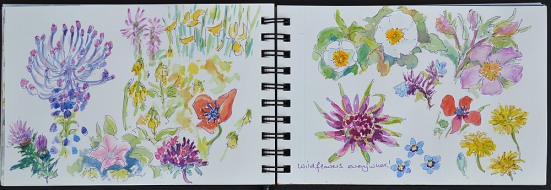
So for the last few weeks I’ve been diligently taking photos of as many flowers as I could find among the paths and byways, sometimes in fields or by the beach. And as part of my explorations, I’ve even had a go at painting some of them! My next step, of course, is to identify each one, and tag my photos with an official name in Latin, English and Croatian. As you’d expect, I’m finding that it’s easy enough to take photos, but much harder to track down the names!!
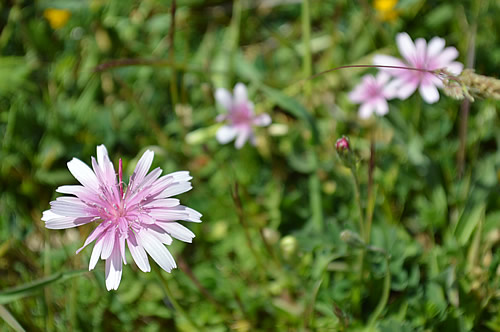
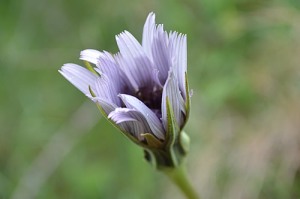
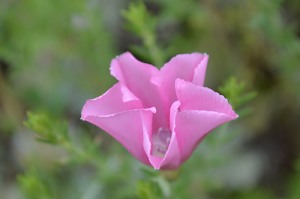
Unidentified pink flowers at Asseria

Unidentified pink flowers at Asseria - subsequently identified as blue lettuce (Lactuca perennis, modra salata)

To start with, I’d photograph the flowers with a narrow depth of field, so the flower is sharply in focus, but the surrounding is nicely blurred. It really does make the flowers stand out beautifully. However… that essentially gives me no information at all about the rest of the plant which could have been really useful!
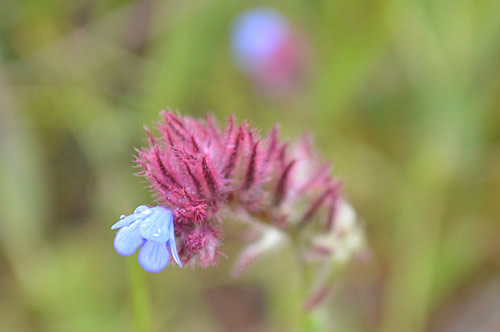
No information on leaves!

How to identify? No visible leaves!

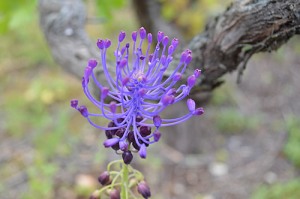
To help ID the flowers, I have a couple of books of plants of the Adriatic coast and islands (in Croatian), plus two iPad apps on wildflowers of Europe/UK, and online resources such as Wikipedia and Plantea.hr. What I’m learning, of course, is the infinite variety of plantlife, and the fact that the ones I’ve photographed don’t always look like the standard references! For example – a flower might be listed under a different colour, or be a radically different shape from that shown, as with this delicate candelabra which turns out to be a variant of a grape hyacinth!
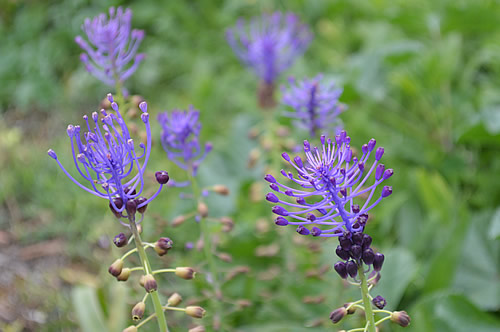
Tassel hyacinth

Tassel hyacinth

It’s been a surprise to me how many of these wildflowers, that are basically scattered everywhere, turn out to have very familiar names – chicory, salsify, vetch, sage, borage, mallow, campion, sorrel, pyrethrum, and so on. Native Mediterranean plants, but long ago introduced further north for their medicinal and culinary properties. Now I know chicory root has been used as a coffee substitute for years, but I had no idea that it has such a lovely blue flower!

So here’s my reference table of the flowers, at least the ones I’ve identified so far.  Disclaimer… while I have a reasonable confidence in most of the names for these plants, some are tentative and I’d be happy to hear from anyone who has a rather better grounding in botany! Click on the images for a bigger picture, and links go to wikipedia or plantea to find out more.
allium-roseum-rosy-garlic
Allium roseum
Rosy garlic
Ružičasti luk
White and pink versions exist. The pink flowers are a tasty garnish for salads.
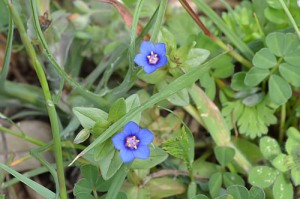
anagallis-arvensis-blue-pimpernel
Analgallis arvensis
Blue pimpernel
Poljska Krivičica
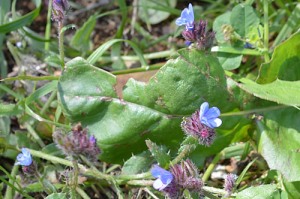
anchusa-bugloss
Anchusa arvenensis / officinalis
Bugloss
Volujak?
Could not find an exact match for the hairy red buds, but appears to be a type of bugloss.
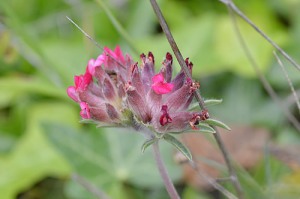
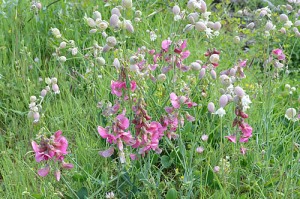
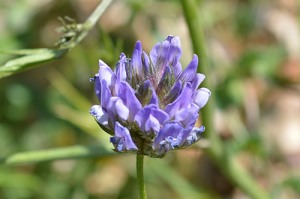
anthyllis-vulneraria-pink-kidney-vetch
Anthyllis vulneraria L. subsp praepropera
Pink kidney vetch / woundwort
Ranjenik
More usually yellow? Any plant with -wort as its English name indicates medicinal use.
antirrhinum-snapdragons-and
Antirrhinum majus
Snapdragon
Zijevalica
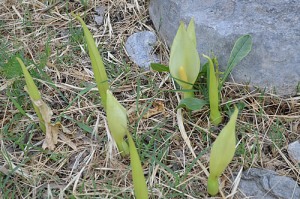
arum-italicum-italian-lords-and-ladies
Arum italicum
Italian lords-and-ladies
Veliki kozlac
Photographed in a Kastela vineyard
bitumenaria-arabian-pea
Bituminaria bitumenosa
Arabian pea or pitch trefoil
Djeteljnjak
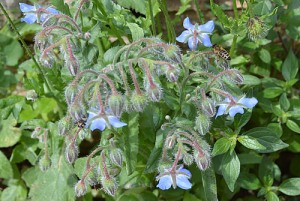
borage-with-bee
Borage officinalis
Borage or starflower
Boražina
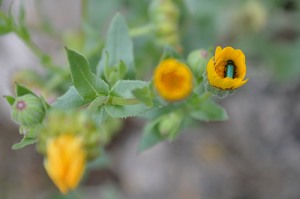
calendula-arvensis-field-marigold-green-beetlejpg
Calendula arvensis
Field marigold
Neven (calendula officinalis)
Pretty green beetle in the flower!
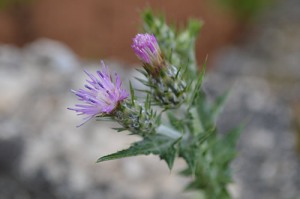
carduus-pycnocephalus-italian-thistle
Carduus pycnocephalus
Italian (plumeless) thistle
Sitnoglavičasti stričak
cichorium-intybus-chicory
Cichorium intybus
Chicory
Cikorija
Root is used in cooking and as substitute for coffee.
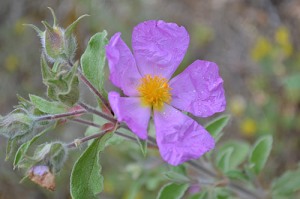
cistus-rockrose

cistus-white-rockrose
Cistus
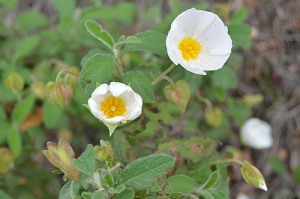
Rockrose
Bušin

Two varieties – pretty in pink and in white.
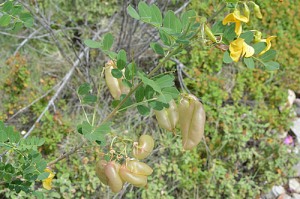
Colutea-arborescens-bladder-senna
Colutea arborescens
Bladdernut tree or bladder senna
Drvolika pucalina
More a shrub than a tree
convolvulus-althaeoides-mallow-bindweed2
Convolvulus althaeoides
Mallow bindweed
Finodlakavi slak
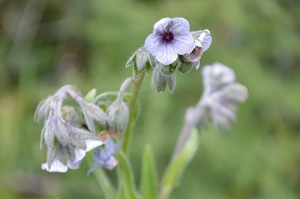
cynoglossum-creticum-blue-hounds-tongue
Cynoglossum creticum
Blue hound’s tongue
Grčki pasji jazik
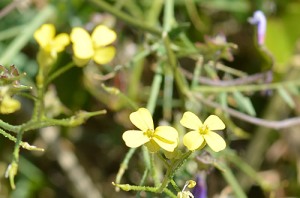
diplotaxis-tenuifolia-perennial-wallrocket
Diplotaxis tenuifolia
Perennial wall-rocket
Uskolisni dvoredac
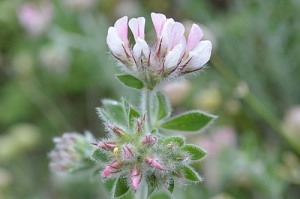
dorycnium-hirsutum-hairy-canary-clover
Dorycnium hirsutium
(Hairy) canary clover
Čupava bjeloglavica
Love the name!
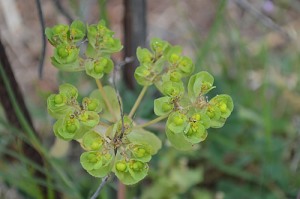
euphorbia-characias-dalmatian-spurge
Euphorbia characias
Mediterranean spurge
Velika mlječika
euphorbia-heliocopia-spurge
Euphorbia helioscopia
Spurge
Mlječika suncogled
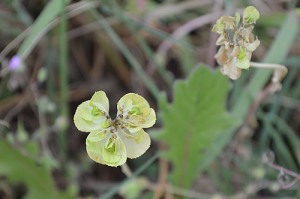
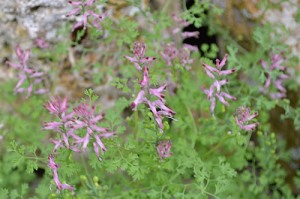
fumaria-officinalis-fumitoryFuminaria officinalis
Fumitory
Dimnjača
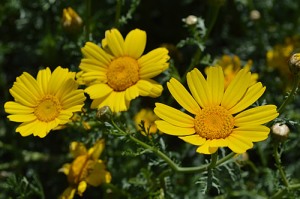
glebionis-coronaria-crown-daisy
Glebionis coronaria
Crown daisy
Croatian name unknown
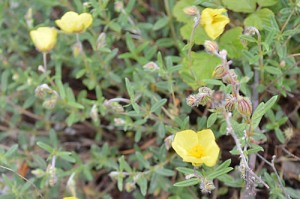
helianthemum-nummularium-common-rockrose
Helianthemum nummularium
Common rock-rose
Sunčanica
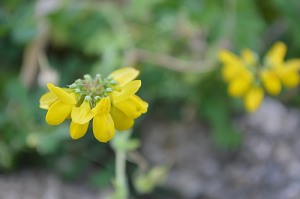
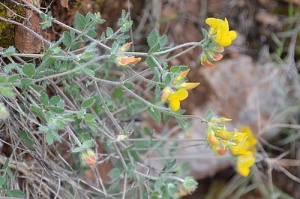
hippocrepis-comosa-horseshoe-vetch-close
Hippocrepus comosa
Horseshoe vetch
Croatian not known
leopoldia-comosa-tassel-hyacinth1
Leopoldia comosa or Muscari comosum
Tassel hyacinth
Kitnjasta presličica
Two versions on the latin name. Related to grape hyacinth.
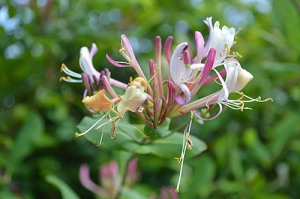
lonicera-implexa-Aiton-honeysuckle
Lonicera implexa Aiton / caprifolium
Honeysuckle
Orlovi Nokti
lotus-corniculatus-birds-foot-trefoil
Lotus corniculatus
Bird’s Foot Trefoil
Svinđuša
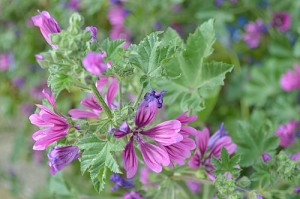
malva-sylvestris-mallow
Malva sylvestris
Mallow
Crni sljez
Photographed in Split
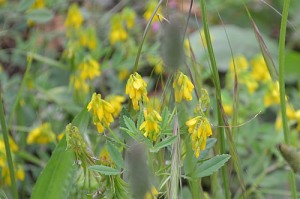
melilotus-officinalis-yellow-sweet-clover
Melilotus officinalis
Yellow sweet clover
Žuti kokotac
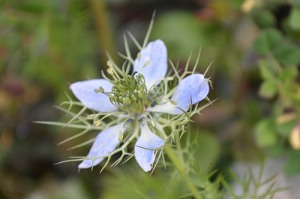
nigella-damascena-love-in-a-mist
Nigella damascena
Love-in-a-mist
Crnjika
Native to the Mediterranean, was already known in English cottage gardens in Tudor times.
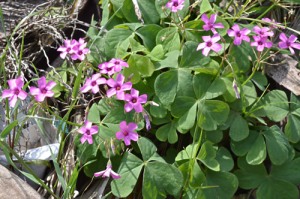
oxalis-pink-sorrel
Oxalis articulata
Pink sorrel
Cecelj
Native to S. America! Now widespread in Europe
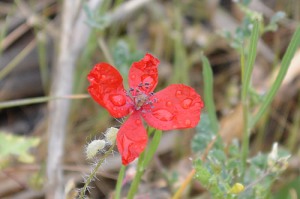
papaver-argemone-poppy
Papaver argemone
Prickly poppy
Mak
Unusual, very tiny poppy seen in the hills.
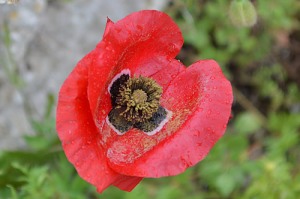
papaver-poppy-single
Papaver rhoeas
Poppy
Divlji mak
Common poppy, seen everywhere!
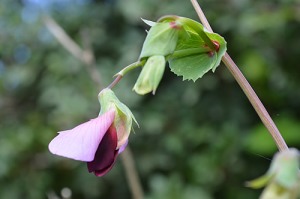
pisum-sativum-pea
Pisum sativum
Pea
Grašak
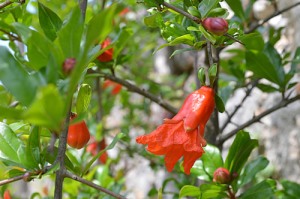
punica-granatum-pomegranate
Punica granatum
Pomegranate
Nar
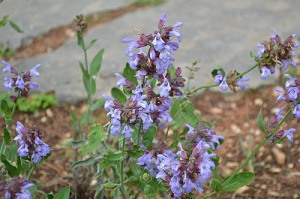
salvia-officinalis-sage-2
Salvia officinalis
Sage
Kadulja
Makes a lovely cordial drink
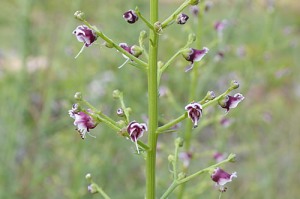
scrophularia-figwort
Scrophularia nodosa
Figwort
Čvorasti /Uskolisni strupnik
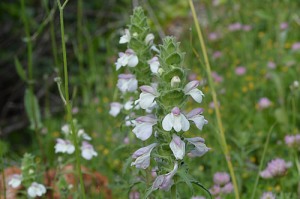
sideritis-romana-ironwort
Sideritis romana
Ironwort
Sredozemni očist
silene-latifolia-white-campion
Silene latifolia
White campion
Pušina
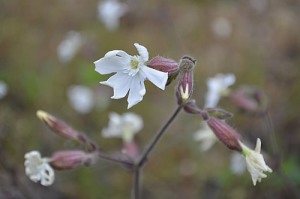
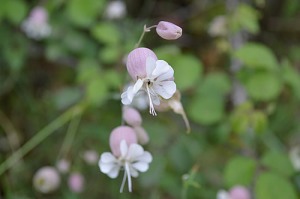
silene-vulgaris-bladder-campion
Silene vulgaris
Bladder campion
Pušina
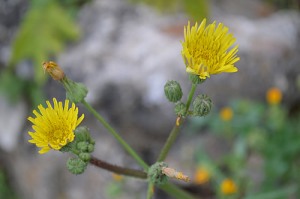
sonchus-asper-prickly-sowthistle
Sonchus asper
Prickly sow-thistle
Oštri kostriš
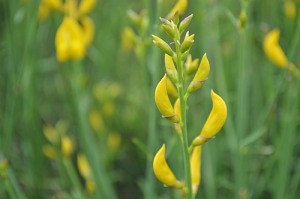
 spartium-junceum-spanish-broom-2
Spartium junceum
Spanish broom
Brnistra
 
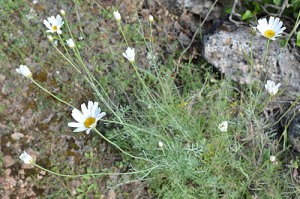
Tanacetum cinerariifolium
Pyrethrum
Buhač
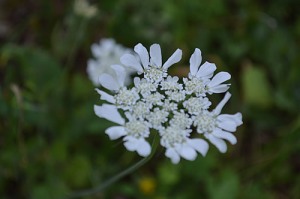
 tordylium-apulium-mediterranean-hartwort
Tordylium apulium
Mediterranean hartwort
Apulijska orja šica
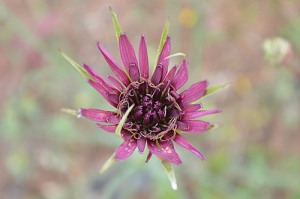
 tragopogon-purple-salsify
Tragopogon porrifolius
Purple or common salsify
Lukasta kozja brada
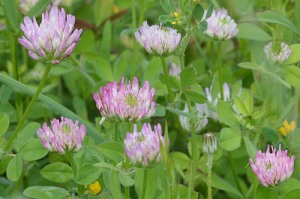
 trifolium-clover
Trifolium
Clover
Djetelina
 vicia-villosa-hairy-vetch
Vicia villosa Roth
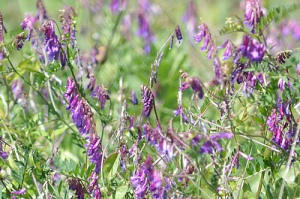
Hairy vetch
Vlasastodlakava grahorica

“Art is unquestionably one of the purest and highest elements in human happiness. It trains the mind through the eye, and the eye through the mind. As the sun colours flowers, so does art colour life.”

~ John Lubbock (1834-1913) The Pleasures of Life

© Marion Podolski

This article has been reproduced with kind permission from Marion's blog Go Hvar, Ramblings about a far island. Visit the blog for all kinds of information about Hvar, from artistic to epicurean!

Many thanks to Norman Woolons of Dol for identifying the pink flower from a match in his orchard.

You are here: Home Information Nature Watch A guide to Hvar's wildflowers - Spring edition

Eco Environment News feeds

  • Subsidies awarded to eight new projects help keep UK on track to decarbonise by 2030

    A make-or-break auction for the UK government’s goal to create a clean electricity system by 2030 has awarded subsidy contracts to enough offshore windfarms to power 12m homes.

    In Great Britain’s most competitive auction for renewable subsidies to date, energy companies vied for contracts that guarantee the price for each unit of clean electricity they generate.

    Continue reading...

  • Data leads scientists to declare 2015 Paris agreement to keep global heating below 1.5C ‘dead in the water’

    Last year was the third hottest on record, scientists have said, with mounting fossil fuel pollution behind “exceptional” temperatures.

    The World Meteorological Organization (WMO) said 2025 had continued a three-year streak of “extraordinary global temperatures” during which surface air temperatures averaged 1.48C above preindustrial levels.

    Continue reading...

  • Energy company also under pressure from worse oil trading performance and weaker oil prices

    BP has said it expects to write down the value of its struggling green energy business by as much as $5bn (£3.7bn), as it refocuses on fossil fuels under its new chair, Albert Manifold.

    The oil company said the writedowns were mostly related to its gas and low-carbon energy divisions in its “transition businesses”, but added that wiping between $4bn and $5bn off their value would not affect its underlying profits when it reports its full-year results in February.

    Continue reading...

  • Exclusive: Some scientists say many detections are most likely error, with one high-profile study called a ‘joke’

    High-profile studies reporting the presence of microplastics throughout the human body have been thrown into doubt by scientists who say the discoveries are probably the result of contamination and false positives. One chemist called the concerns “a bombshell”.

    Studies claiming to have revealed micro and nanoplastics in the brain, testes, placentas, arteries and elsewhere were reported by media across the world, including the Guardian. There is no doubt that plastic pollution of the natural world is ubiquitous, and present in the food and drink we consume and the air we breathe. But the health damage potentially caused by microplastics and the chemicals they contain is unclear, and an explosion of research has taken off in this area in recent years.

    Continue reading...

  • Waresley, Cambridgeshire:In a near-freezing lake, I’m treated to an up-close view of one of my favourite birds

    The spring-fed lake is a picture of tranquillity this morning. On the far side, ivy-clad trees touch trunks with their watery counterparts, creating an image of a child’s mirror painting folded along the shoreline. Only the soft blurring of branches distinguishes reflection from reality.

    The scene might look serene, but I must focus on my breathing to stay calm as I lower myself slowly into the water, which has chilled to a wintry 6C. I started cold water swimming last month, hoping it would help relieve the chronic pain caused by adenomyosis. It’s only my fourth session, and I’m wondering if I have the confidence to swim across the lifeguarded lake when a quick movement on the water catches my attention. I spot a dumpy ball of fluff that isn’t there.

    Continue reading...

  • Wildfires now destroy twice as much tree cover per year as two decades ago – a crisis fuelled by climate change

    The world is losing forests to fire at an unsustainable rate, experts have warned.

    Wildfires have always been part of nature’s cycle, but in recent decades their scale, frequency and intensity in carbon-rich forests have surged.

    Continue reading...

  • Seven out of 10 targets have little likelihood of being met by 2030, Office for Environmental Protection says

    The government will not meet its targets to save wildlife in England and is failing on almost all environmental measures, the Office for Environmental Protection watchdog has said.

    In a damning report, the OEP has found that seven of the 10 targets set in the Environment Act 2021 have little likelihood of being met by 2030, which is the deadline set in law.

    Continue reading...

  • For Hannah Thorogood, a first-generation Lincolnshire farmer, grazing her sheep on solar land gave her a leg-up in the industry

    On a blustery Lincolnshire morning, Hannah Thorogood paused between two ranks of solar panels. Her sheep nosedived into the grass under their shelter and began to graze.

    “When I first started out, 18 acres and 20 sheep was as much as I could afford,” said the first-generation farmer. “Now, because I can graze this land for free, I have 250 acres and over 200 sheep. Solar grazing has given me a massive leg-up.”

    Continue reading...

  • Britain’s winter thrushes, the swallows and swifts of the season, were strangely absent until recently

    Just as swallows and swifts are the constant sight and sound of spring and summer, so our two winter thrushes – fieldfares and redwings – are usually ever-present during the autumn and winter months.

    Last autumn, however, the fields and hedgerows around my Somerset home were unusually devoid of these birds, while their favourite food – the hawthorn’s bright scarlet berries – remained uneaten.

    Continue reading...

  • Professional mermaids risk hypothermia, seasickness and the cling of skin-tight silicone, but the reward is becoming an ‘ocean ambassador’ – and a bit more colour in the world

    Propelled by a shimmering silicon tail, Katrin Gray spins underwater, blowing kisses to the audience as her long, copper hair floats around her face. Her seemingly effortless movement is anything but – a professional mermaid’s free diving and performance skills require training, practice and total concentration.

    Mermaiding has become a global cottage industry, with pageants, conventions, retreats and meet-ups, where people gather in “pods” to practise their dolphin kicks. Makers create bespoke tail flukes, bejewelled bras, mermaid hair and even prosthetic gills for professional and hobbyist “seasters”. There is even a Netflix reality series called MerPeople, which documents the occasionally perilous journey of several aspiring professional merfolk. “No dead mermaids” is the motto of one business featured.

    Continue reading...

Eco Health News feeds

Eco Nature News feeds