A guide to Hvar's wildflowers - Spring edition

A beautiful overview of Hvar's rich springtime flower offerings by Marion Podolski.

Brilliant poppies on Hvar in springtime. Brilliant poppies on Hvar in springtime. Photo: Vivian Grisogono

Marion reports:

I’ve been inspired this spring to get outside and learn more about Hvar’s plantlife. I see local folks using flowers and leaves in  drinks, in cooking, as insect repellants, balms and of course to flavour various rakijas! At the same time, we’ve also been watching a wonderful Croatian TV series called Lovac na bilje, which is to say, The Plant Hunter.  Each week, we watched Anton Rudan hike through glorious countryside, chatting to local experts and telling us about some of the special plants there and how they can be used. Fascinating stuff!
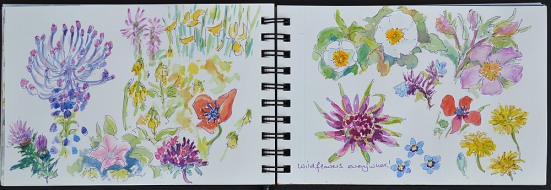
The sun colours flowers and art colours life!

The sun colours flowers and art colours life!

So for the last few weeks I’ve been diligently taking photos of as many flowers as I could find among the paths and byways, sometimes in fields or by the beach. And as part of my explorations, I’ve even had a go at painting some of them! My next step, of course, is to identify each one, and tag my photos with an official name in Latin, English and Croatian. As you’d expect, I’m finding that it’s easy enough to take photos, but much harder to track down the names!!
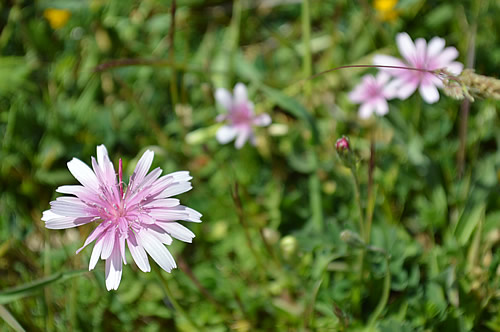
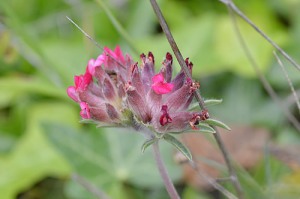
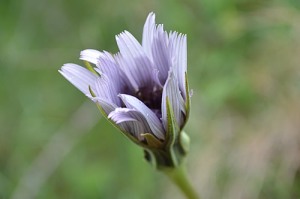
Unidentified pink flowers at Asseria

Unidentified pink flowers at Asseria - subsequently identified as blue lettuce (Lactuca perennis, modra salata)

To start with, I’d photograph the flowers with a narrow depth of field, so the flower is sharply in focus, but the surrounding is nicely blurred. It really does make the flowers stand out beautifully. However… that essentially gives me no information at all about the rest of the plant which could have been really useful!
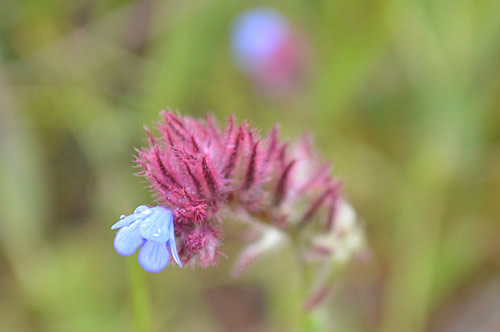
No information on leaves!

How to identify? No visible leaves!

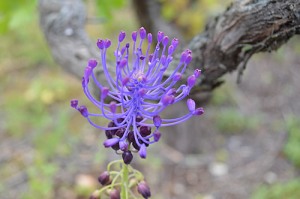
To help ID the flowers, I have a couple of books of plants of the Adriatic coast and islands (in Croatian), plus two iPad apps on wildflowers of Europe/UK, and online resources such as Wikipedia and Plantea.hr. What I’m learning, of course, is the infinite variety of plantlife, and the fact that the ones I’ve photographed don’t always look like the standard references! For example – a flower might be listed under a different colour, or be a radically different shape from that shown, as with this delicate candelabra which turns out to be a variant of a grape hyacinth!
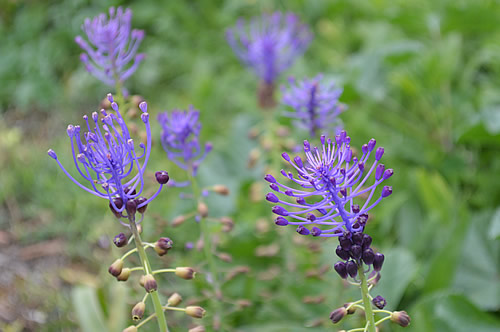
Tassel hyacinth

Tassel hyacinth

It’s been a surprise to me how many of these wildflowers, that are basically scattered everywhere, turn out to have very familiar names – chicory, salsify, vetch, sage, borage, mallow, campion, sorrel, pyrethrum, and so on. Native Mediterranean plants, but long ago introduced further north for their medicinal and culinary properties. Now I know chicory root has been used as a coffee substitute for years, but I had no idea that it has such a lovely blue flower!

So here’s my reference table of the flowers, at least the ones I’ve identified so far.  Disclaimer… while I have a reasonable confidence in most of the names for these plants, some are tentative and I’d be happy to hear from anyone who has a rather better grounding in botany! Click on the images for a bigger picture, and links go to wikipedia or plantea to find out more.
allium-roseum-rosy-garlic
Allium roseum
Rosy garlic
Ružičasti luk
White and pink versions exist. The pink flowers are a tasty garnish for salads.
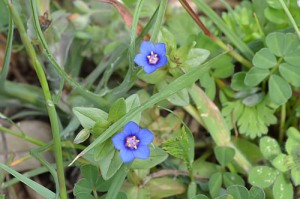
anagallis-arvensis-blue-pimpernel
Analgallis arvensis
Blue pimpernel
Poljska Krivičica
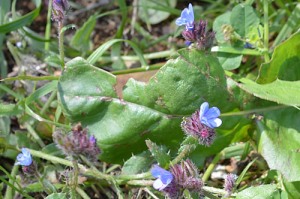
anchusa-bugloss
Anchusa arvenensis / officinalis
Bugloss
Volujak?
Could not find an exact match for the hairy red buds, but appears to be a type of bugloss.
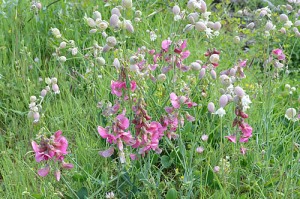
anthyllis-vulneraria-pink-kidney-vetch
Anthyllis vulneraria L. subsp praepropera
Pink kidney vetch / woundwort
Ranjenik
More usually yellow? Any plant with -wort as its English name indicates medicinal use.
antirrhinum-snapdragons-and
Antirrhinum majus
Snapdragon
Zijevalica
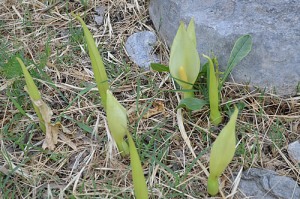
arum-italicum-italian-lords-and-ladies
Arum italicum
Italian lords-and-ladies
Veliki kozlac
Photographed in a Kastela vineyard
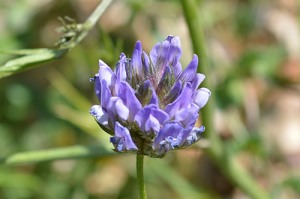
bitumenaria-arabian-pea
Bituminaria bitumenosa
Arabian pea or pitch trefoil
Djeteljnjak
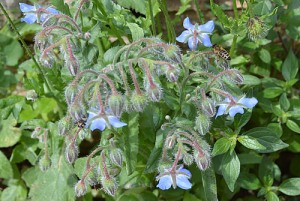
borage-with-bee
Borage officinalis
Borage or starflower
Boražina
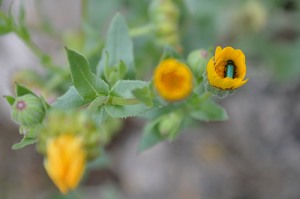
calendula-arvensis-field-marigold-green-beetlejpg
Calendula arvensis
Field marigold
Neven (calendula officinalis)
Pretty green beetle in the flower!
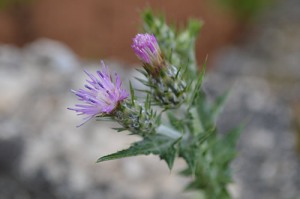
carduus-pycnocephalus-italian-thistle
Carduus pycnocephalus
Italian (plumeless) thistle
Sitnoglavičasti stričak
cichorium-intybus-chicory
Cichorium intybus
Chicory
Cikorija
Root is used in cooking and as substitute for coffee.
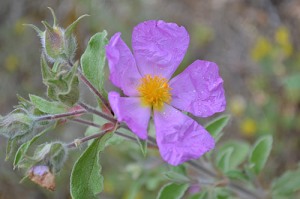
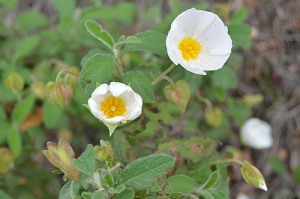
cistus-rockrose

cistus-white-rockrose
Cistus
Rockrose
Bušin

Two varieties – pretty in pink and in white.
Colutea-arborescens-bladder-senna
Colutea arborescens
Bladdernut tree or bladder senna
Drvolika pucalina
More a shrub than a tree
convolvulus-althaeoides-mallow-bindweed2
Convolvulus althaeoides
Mallow bindweed
Finodlakavi slak
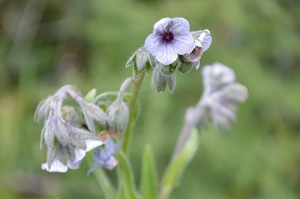
cynoglossum-creticum-blue-hounds-tongue
Cynoglossum creticum
Blue hound’s tongue
Grčki pasji jazik
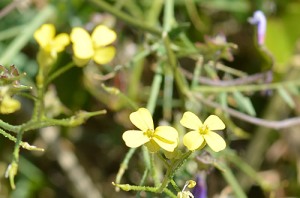
diplotaxis-tenuifolia-perennial-wallrocket
Diplotaxis tenuifolia
Perennial wall-rocket
Uskolisni dvoredac
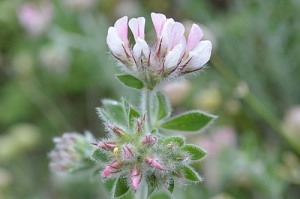
dorycnium-hirsutum-hairy-canary-clover
Dorycnium hirsutium
(Hairy) canary clover
Čupava bjeloglavica
Love the name!
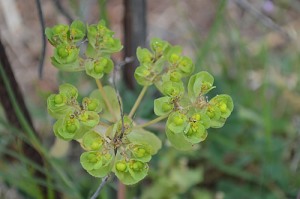
euphorbia-characias-dalmatian-spurge
Euphorbia characias
Mediterranean spurge
Velika mlječika
euphorbia-heliocopia-spurge
Euphorbia helioscopia
Spurge
Mlječika suncogled
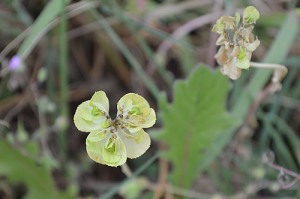
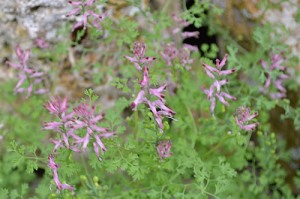
fumaria-officinalis-fumitoryFuminaria officinalis
Fumitory
Dimnjača
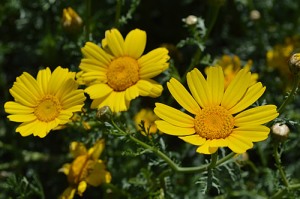
glebionis-coronaria-crown-daisy
Glebionis coronaria
Crown daisy
Croatian name unknown
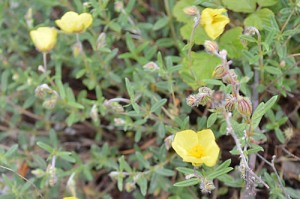
helianthemum-nummularium-common-rockrose
Helianthemum nummularium
Common rock-rose
Sunčanica
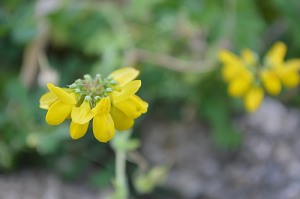
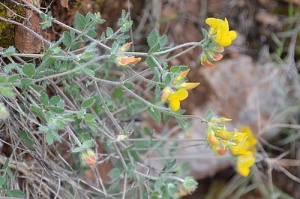
hippocrepis-comosa-horseshoe-vetch-close
Hippocrepus comosa
Horseshoe vetch
Croatian not known
leopoldia-comosa-tassel-hyacinth1
Leopoldia comosa or Muscari comosum
Tassel hyacinth
Kitnjasta presličica
Two versions on the latin name. Related to grape hyacinth.
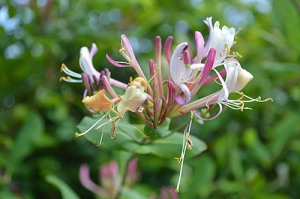
lonicera-implexa-Aiton-honeysuckle
Lonicera implexa Aiton / caprifolium
Honeysuckle
Orlovi Nokti
lotus-corniculatus-birds-foot-trefoil
Lotus corniculatus
Bird’s Foot Trefoil
Svinđuša
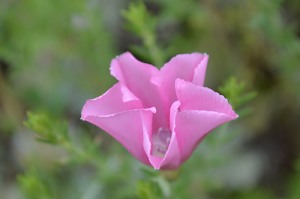
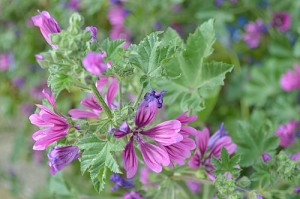
malva-sylvestris-mallow
Malva sylvestris
Mallow
Crni sljez
Photographed in Split
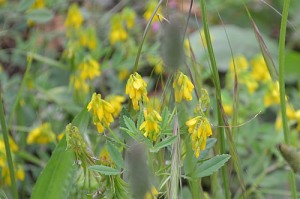
melilotus-officinalis-yellow-sweet-clover
Melilotus officinalis
Yellow sweet clover
Žuti kokotac
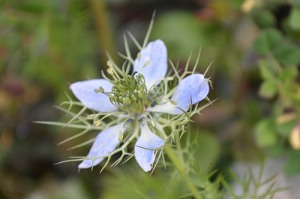
nigella-damascena-love-in-a-mist
Nigella damascena
Love-in-a-mist
Crnjika
Native to the Mediterranean, was already known in English cottage gardens in Tudor times.
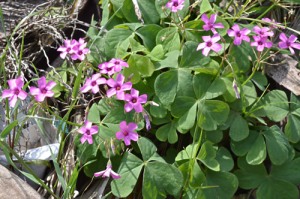
oxalis-pink-sorrel
Oxalis articulata
Pink sorrel
Cecelj
Native to S. America! Now widespread in Europe
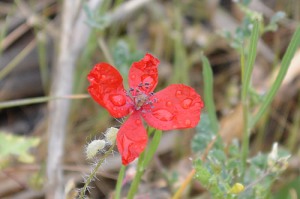
papaver-argemone-poppy
Papaver argemone
Prickly poppy
Mak
Unusual, very tiny poppy seen in the hills.
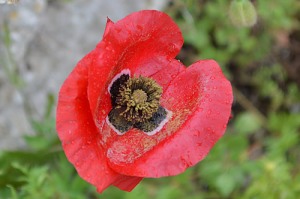
papaver-poppy-single
Papaver rhoeas
Poppy
Divlji mak
Common poppy, seen everywhere!
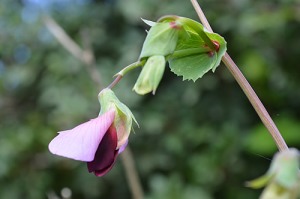
pisum-sativum-pea
Pisum sativum
Pea
Grašak
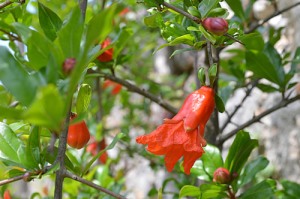
punica-granatum-pomegranate
Punica granatum
Pomegranate
Nar
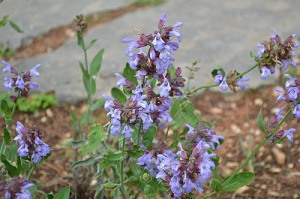
salvia-officinalis-sage-2
Salvia officinalis
Sage
Kadulja
Makes a lovely cordial drink
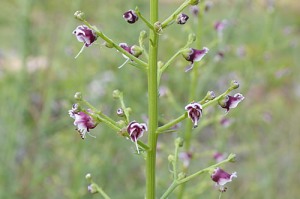
scrophularia-figwort
Scrophularia nodosa
Figwort
Čvorasti /Uskolisni strupnik
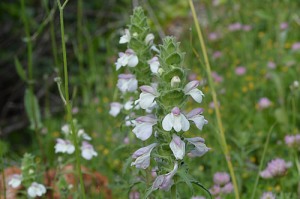
sideritis-romana-ironwort
Sideritis romana
Ironwort
Sredozemni očist
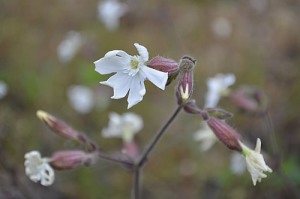
silene-latifolia-white-campion
Silene latifolia
White campion
Pušina
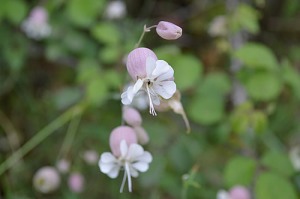
silene-vulgaris-bladder-campion
Silene vulgaris
Bladder campion
Pušina
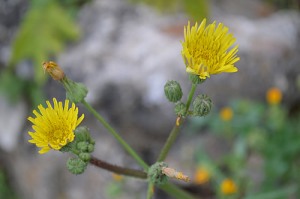
sonchus-asper-prickly-sowthistle
Sonchus asper
Prickly sow-thistle
Oštri kostriš
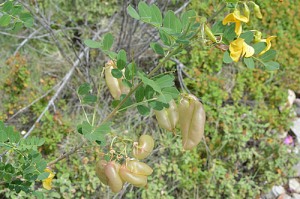
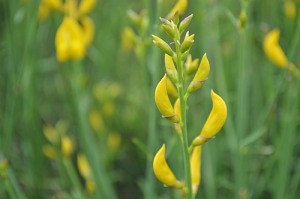
 spartium-junceum-spanish-broom-2
Spartium junceum
Spanish broom
Brnistra
 
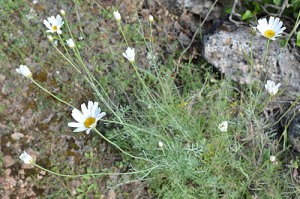
Tanacetum cinerariifolium
Pyrethrum
Buhač
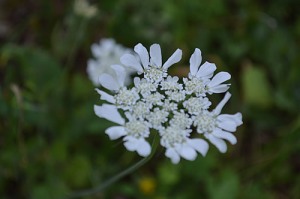
 tordylium-apulium-mediterranean-hartwort
Tordylium apulium
Mediterranean hartwort
Apulijska orja šica
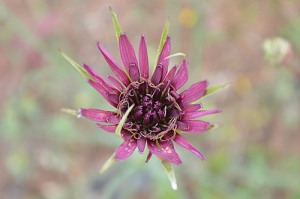
 tragopogon-purple-salsify
Tragopogon porrifolius
Purple or common salsify
Lukasta kozja brada
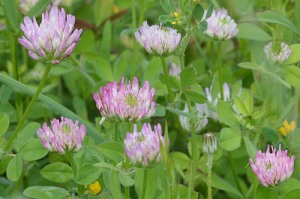
 trifolium-clover
Trifolium
Clover
Djetelina
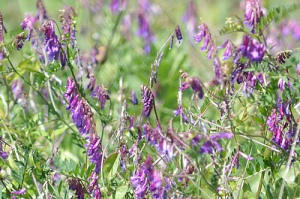
 vicia-villosa-hairy-vetch
Vicia villosa Roth
Hairy vetch
Vlasastodlakava grahorica

“Art is unquestionably one of the purest and highest elements in human happiness. It trains the mind through the eye, and the eye through the mind. As the sun colours flowers, so does art colour life.”

~ John Lubbock (1834-1913) The Pleasures of Life

© Marion Podolski

This article has been reproduced with kind permission from Marion's blog Go Hvar, Ramblings about a far island. Visit the blog for all kinds of information about Hvar, from artistic to epicurean!

Many thanks to Norman Woolons of Dol for identifying the pink flower from a match in his orchard.

Nalazite se ovdje: Home

Eco Environment News feeds

  • Mersey Valley Way takes in Manchester and Stockport on its 13-mile route with other walks to be identified in 2026

    A new river walk has been announced by the government as ministers try to improve access to nature in England.

    The 13-mile (21km) walk will go through Greater Manchester and the north-west of England. There will be a river walk in each region of the country by the end of parliament, the government has pledged.

    Continue reading...

  • Secondhand tobacco smoke and routine tasks such as operating the stove shown to be biggest emitters of indoor pollution in UK homes

    Christmas and New Year is a time when many people will be at home. Being indoors can give us a degree of protection from outdoor air pollution, but it can also trap pollution we produce inside our homes.

    Risks from secondhand tobacco smoke are well known and the effect is perhaps best seen by comparison of health data before and after indoor smoking bans. A study of 47 indoor smoking bans in public spaces found hospital admissions for heart attacks decreased by an average of 12%, but people are less aware of other indoor pollutants and how to minimise them.

    Continue reading...

  • As part of the Guardian’s Against the tide series, readers aged 18 to 30 share what they love about living in their coastal town, the challenges and why they often choose to leave

    Megan, a 24-year-old from the Isle of Wight, is very familiar with saying goodbye. She decided university wasn’t for her and remembers how, one by one, she waved off her friends who left the island to study. Many never came back.

    Continue reading...

  • Provisional figures in government mandate’s first year show 20% shortfall in levels of SAF supplied for UK flights

    The take-up of sustainable aviation fuels is on course to fall short of the UK government’s first annual mandate, official figures suggest.

    Production data published by the Department for Transport (DfT) covering most of 2025 shows that sustainable fuels (SAF) only accounted for 1.6% of fuel supplied for UK flights – 20% less fuel in volume than the 2% needed to fulfil the requirement.

    Continue reading...

  • We look back over the year’s wildlife photographs, and hand out some much-deserved gongs to brilliant and beautiful creatures around the world

    Continue reading...

  • The Marches, Shropshire: Boxing Day has its own more violent customs between humans and animals. That’s not the world I choose to live in

    The sparrows are a shuffling, chirruping shadow in the bushes, a static of anticipation. They are waiting for food, calling for it. They have not forgotten what the poet Emily Dickinson describes, in her poem Victory Comes Late, as “God keeps his oath to sparrows, / Who of little love / Know how to starve!” However, sparrows do seem to live in a much more vivid and emotional society than as mere victims of an indifferent nature that is economical at the expense of compassion.

    To say they come to the feeding station sounds a bit grand for a small bird table, a few hanging fat balls and a scattering of seed and mealworms in a back yard in Oswestry. The first adventurers edge in, not just to explore the food source but to play in a space of subtle changes that have happened in their place. When the whole host, quarrel or ubiquity move in, there must be over 30 birds. The energy of their performance is contagious.

    Continue reading...

  • Low-cost tech and joined-up funding have reduced illegal logging, mining and poaching in the Darién Gap – it’s a success story that could stop deforestation worldwide

    There are no roads through the Darién Gap. This vast impenetrable forest spans the width of the land bridge between South and Central America, but there is almost no way through it: hundreds have lost their lives trying to cross it on foot.

    Its size and hostility have shielded it from development for millennia, protecting hundreds of species – from harpy eagles and giant anteaters to jaguars and red-crested tamarins – in one of the most biodiverse places on Earth. But it has also made it incredibly difficult to protect. Looking after 575,000 hectares (1,420,856 acres) of beach, mangrove and rainforest with just 20 rangers often felt impossible, says Segundo Sugasti, the director of Darién national park. Like tropical forests all over the world, it has been steadily shrinking, with at least 15% lost to logging, mining and cattle ranching in two decades.

    Continue reading...

  • From Copenhagen’s cycle lanes and Vienna’s shared parks to Barcelona and London’s unfulfilled potential, better living is close at hand

    The angry rumble of a speeding SUV. The metallic smog of backlogged traffic. The aching heat of sun-dried neighbourhoods baking in an oven of concrete and asphalt.

    For most people, the mundane threats that plague our environments are likely to annoy more than they spark dread. But for scientists who know just how dangerous our surroundings can be, the burden of knowledge weighs heavy each day. Across Europe, environmental risks cause 18% of deaths from cardiovascular disease and 10% of deaths from cancer. Traffic crashes in the EU kill five times more people than murders.

    Continue reading...

  • Seaweed has become a key cash crop as climate change and industrial trawling test the resilient culture of the semi-nomadic Vezo people

    Along Madagascar’s south-west coast, the Vezo people, who have fished the Mozambique Channel for countless generations, are defined by a way of life sustained by the sea. Yet climate change and industrial exploitation are pushing this ocean-based culture to its limits.

    Coastal villages around Toliara, a city in southern Madagascar, host tens of thousands of the semi-nomadic Vezopeople, who make a living from small-scale fishing on the ocean. For centuries, they have launched pirogues, small boats carved from single tree trunks, every day into the turquoise shallows to catch tuna, barracuda and grouper.

    A boat near lines of seaweed, which has become a main source of income for Ambatomilo village as warmer seas, bleached reefs and erratic weather accelerate the decline of local fish populations

    Continue reading...

  • The activist and author of Here Comes the Sun discusses rapid advances in solar and wind power and how the US ceded leadership in the sector to its main rival

    Bill McKibben’s book The End of Nature, published in 1989, warned early of the dangers of climate changes and he has been campaigning and writing ever since. His most recent book, Here Comes the Sun, takes a look at the soaring potential of renewable energy

    Is your latest book a more optimistic take on this world?

    Continue reading...

Novosti: Cybermed.hr

Novosti: Biologija.com

Izvor nije pronađen