A guide to Hvar's wildflowers - Spring edition

A beautiful overview of Hvar's rich springtime flower offerings by Marion Podolski.

Brilliant poppies on Hvar in springtime. Brilliant poppies on Hvar in springtime. Photo: Vivian Grisogono

Marion reports:

I’ve been inspired this spring to get outside and learn more about Hvar’s plantlife. I see local folks using flowers and leaves in  drinks, in cooking, as insect repellants, balms and of course to flavour various rakijas! At the same time, we’ve also been watching a wonderful Croatian TV series called Lovac na bilje, which is to say, The Plant Hunter.  Each week, we watched Anton Rudan hike through glorious countryside, chatting to local experts and telling us about some of the special plants there and how they can be used. Fascinating stuff!
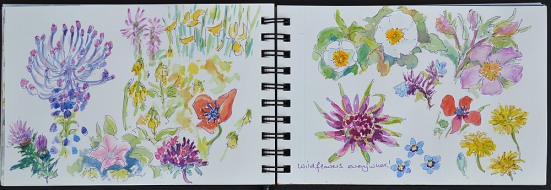
The sun colours flowers and art colours life!

The sun colours flowers and art colours life!

So for the last few weeks I’ve been diligently taking photos of as many flowers as I could find among the paths and byways, sometimes in fields or by the beach. And as part of my explorations, I’ve even had a go at painting some of them! My next step, of course, is to identify each one, and tag my photos with an official name in Latin, English and Croatian. As you’d expect, I’m finding that it’s easy enough to take photos, but much harder to track down the names!!
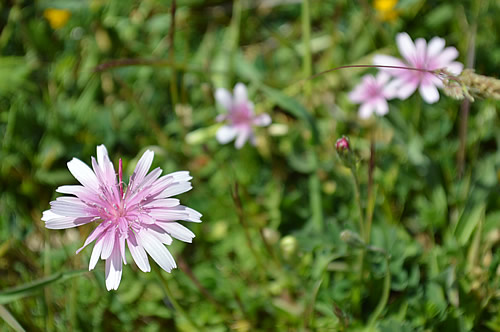
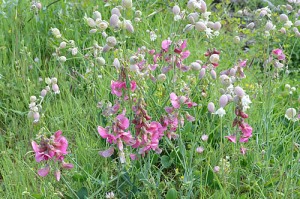
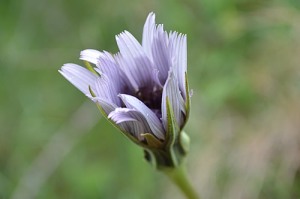
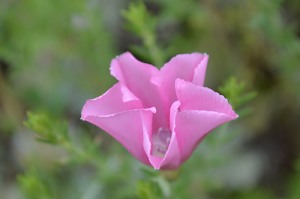
Unidentified pink flowers at Asseria

Unidentified pink flowers at Asseria - subsequently identified as blue lettuce (Lactuca perennis, modra salata)

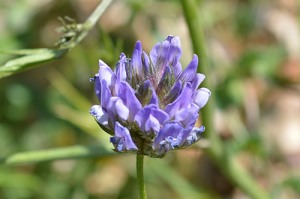
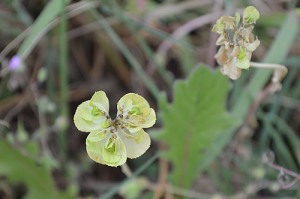
To start with, I’d photograph the flowers with a narrow depth of field, so the flower is sharply in focus, but the surrounding is nicely blurred. It really does make the flowers stand out beautifully. However… that essentially gives me no information at all about the rest of the plant which could have been really useful!
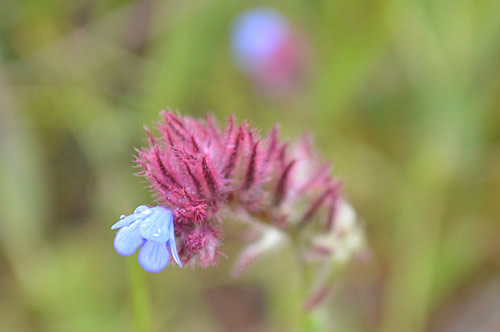
No information on leaves!

How to identify? No visible leaves!

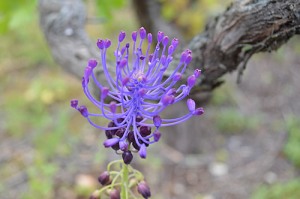
To help ID the flowers, I have a couple of books of plants of the Adriatic coast and islands (in Croatian), plus two iPad apps on wildflowers of Europe/UK, and online resources such as Wikipedia and Plantea.hr. What I’m learning, of course, is the infinite variety of plantlife, and the fact that the ones I’ve photographed don’t always look like the standard references! For example – a flower might be listed under a different colour, or be a radically different shape from that shown, as with this delicate candelabra which turns out to be a variant of a grape hyacinth!
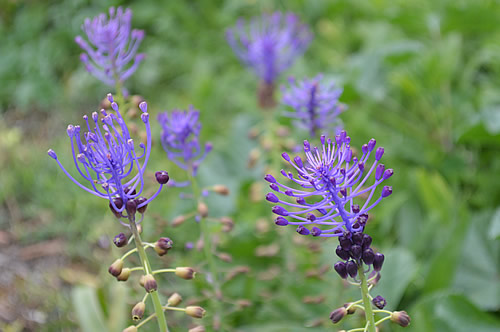
Tassel hyacinth

Tassel hyacinth

It’s been a surprise to me how many of these wildflowers, that are basically scattered everywhere, turn out to have very familiar names – chicory, salsify, vetch, sage, borage, mallow, campion, sorrel, pyrethrum, and so on. Native Mediterranean plants, but long ago introduced further north for their medicinal and culinary properties. Now I know chicory root has been used as a coffee substitute for years, but I had no idea that it has such a lovely blue flower!

So here’s my reference table of the flowers, at least the ones I’ve identified so far.  Disclaimer… while I have a reasonable confidence in most of the names for these plants, some are tentative and I’d be happy to hear from anyone who has a rather better grounding in botany! Click on the images for a bigger picture, and links go to wikipedia or plantea to find out more.
allium-roseum-rosy-garlic
Allium roseum
Rosy garlic
Ružičasti luk
White and pink versions exist. The pink flowers are a tasty garnish for salads.
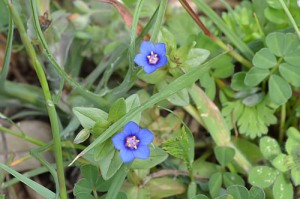
anagallis-arvensis-blue-pimpernel
Analgallis arvensis
Blue pimpernel
Poljska Krivičica
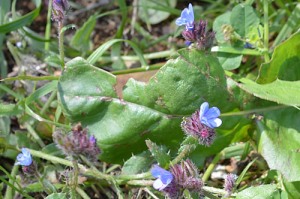
anchusa-bugloss
Anchusa arvenensis / officinalis
Bugloss
Volujak?
Could not find an exact match for the hairy red buds, but appears to be a type of bugloss.
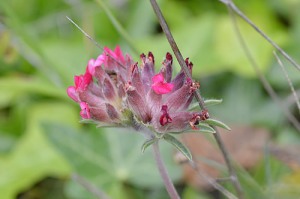
anthyllis-vulneraria-pink-kidney-vetch
Anthyllis vulneraria L. subsp praepropera
Pink kidney vetch / woundwort
Ranjenik
More usually yellow? Any plant with -wort as its English name indicates medicinal use.
antirrhinum-snapdragons-and
Antirrhinum majus
Snapdragon
Zijevalica
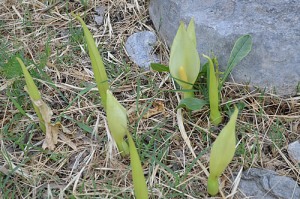
arum-italicum-italian-lords-and-ladies
Arum italicum
Italian lords-and-ladies
Veliki kozlac
Photographed in a Kastela vineyard
bitumenaria-arabian-pea
Bituminaria bitumenosa
Arabian pea or pitch trefoil
Djeteljnjak
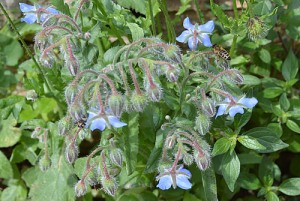
borage-with-bee
Borage officinalis
Borage or starflower
Boražina
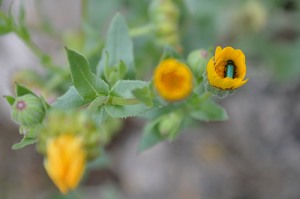
calendula-arvensis-field-marigold-green-beetlejpg
Calendula arvensis
Field marigold
Neven (calendula officinalis)
Pretty green beetle in the flower!
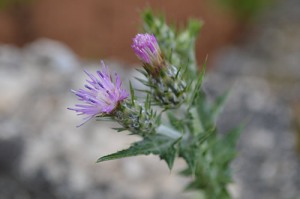
carduus-pycnocephalus-italian-thistle
Carduus pycnocephalus
Italian (plumeless) thistle
Sitnoglavičasti stričak
cichorium-intybus-chicory
Cichorium intybus
Chicory
Cikorija
Root is used in cooking and as substitute for coffee.
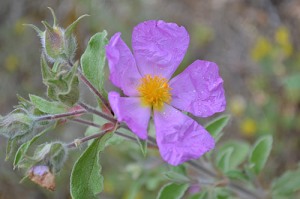
cistus-rockrose

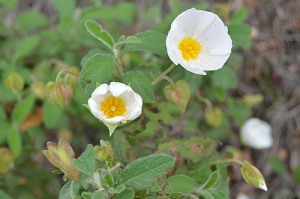
cistus-white-rockrose
Cistus
Rockrose
Bušin

Two varieties – pretty in pink and in white.
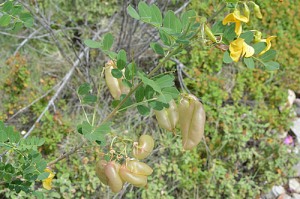
Colutea-arborescens-bladder-senna
Colutea arborescens
Bladdernut tree or bladder senna
Drvolika pucalina
More a shrub than a tree
convolvulus-althaeoides-mallow-bindweed2
Convolvulus althaeoides
Mallow bindweed
Finodlakavi slak
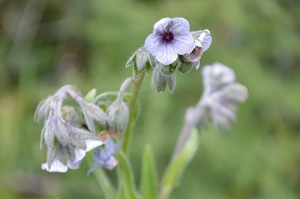
cynoglossum-creticum-blue-hounds-tongue
Cynoglossum creticum
Blue hound’s tongue
Grčki pasji jazik
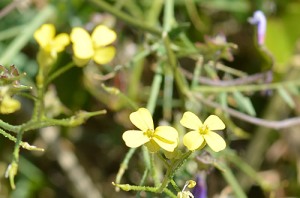
diplotaxis-tenuifolia-perennial-wallrocket
Diplotaxis tenuifolia
Perennial wall-rocket
Uskolisni dvoredac
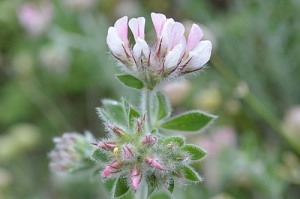
dorycnium-hirsutum-hairy-canary-clover
Dorycnium hirsutium
(Hairy) canary clover
Čupava bjeloglavica
Love the name!
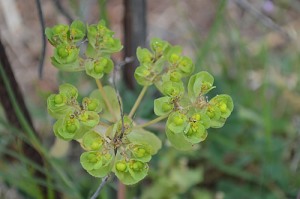
euphorbia-characias-dalmatian-spurge
Euphorbia characias
Mediterranean spurge
Velika mlječika
euphorbia-heliocopia-spurge
Euphorbia helioscopia
Spurge
Mlječika suncogled
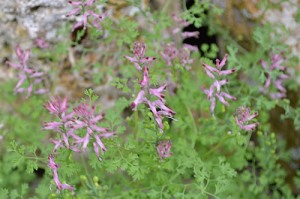
fumaria-officinalis-fumitoryFuminaria officinalis
Fumitory
Dimnjača
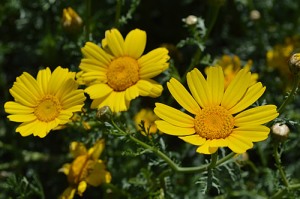
glebionis-coronaria-crown-daisy
Glebionis coronaria
Crown daisy
Croatian name unknown
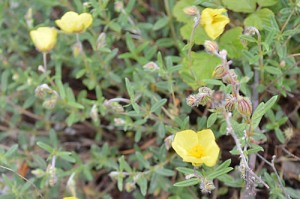
helianthemum-nummularium-common-rockrose
Helianthemum nummularium
Common rock-rose
Sunčanica
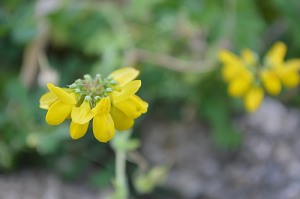
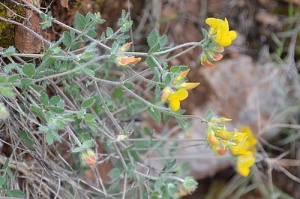
hippocrepis-comosa-horseshoe-vetch-close
Hippocrepus comosa
Horseshoe vetch
Croatian not known
leopoldia-comosa-tassel-hyacinth1
Leopoldia comosa or Muscari comosum
Tassel hyacinth
Kitnjasta presličica
Two versions on the latin name. Related to grape hyacinth.
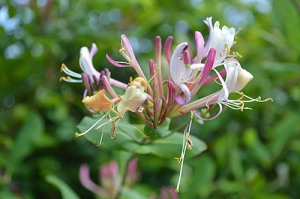
lonicera-implexa-Aiton-honeysuckle
Lonicera implexa Aiton / caprifolium
Honeysuckle
Orlovi Nokti
lotus-corniculatus-birds-foot-trefoil
Lotus corniculatus
Bird’s Foot Trefoil
Svinđuša
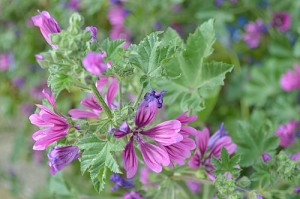
malva-sylvestris-mallow
Malva sylvestris
Mallow
Crni sljez
Photographed in Split
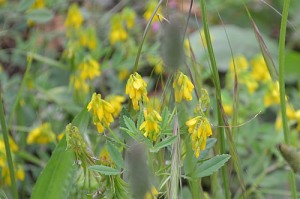
melilotus-officinalis-yellow-sweet-clover
Melilotus officinalis
Yellow sweet clover
Žuti kokotac
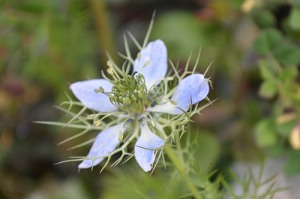
nigella-damascena-love-in-a-mist
Nigella damascena
Love-in-a-mist
Crnjika
Native to the Mediterranean, was already known in English cottage gardens in Tudor times.
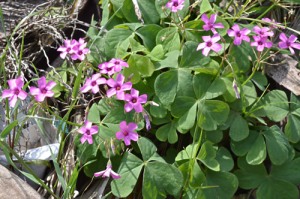
oxalis-pink-sorrel
Oxalis articulata
Pink sorrel
Cecelj
Native to S. America! Now widespread in Europe
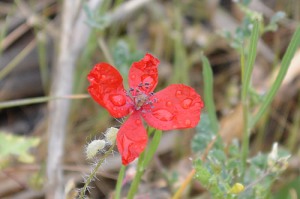
papaver-argemone-poppy
Papaver argemone
Prickly poppy
Mak
Unusual, very tiny poppy seen in the hills.
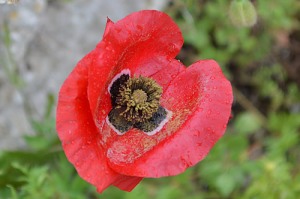
papaver-poppy-single
Papaver rhoeas
Poppy
Divlji mak
Common poppy, seen everywhere!
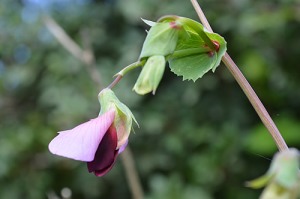
pisum-sativum-pea
Pisum sativum
Pea
Grašak
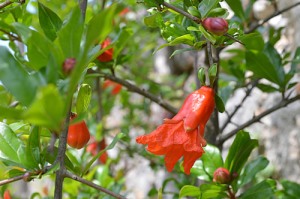
punica-granatum-pomegranate
Punica granatum
Pomegranate
Nar
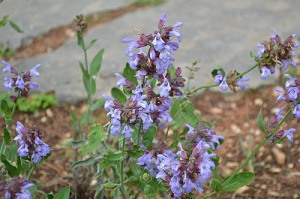
salvia-officinalis-sage-2
Salvia officinalis
Sage
Kadulja
Makes a lovely cordial drink
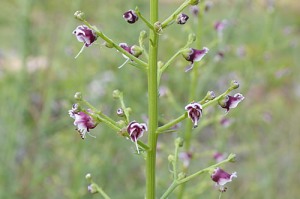
scrophularia-figwort
Scrophularia nodosa
Figwort
Čvorasti /Uskolisni strupnik
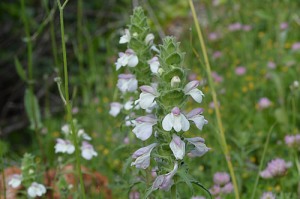
sideritis-romana-ironwort
Sideritis romana
Ironwort
Sredozemni očist
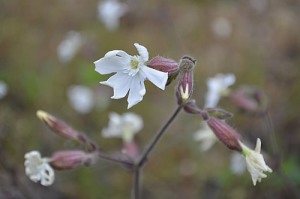
silene-latifolia-white-campion
Silene latifolia
White campion
Pušina
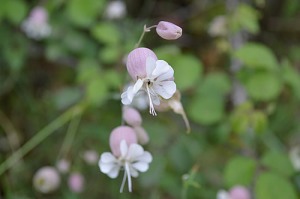
silene-vulgaris-bladder-campion
Silene vulgaris
Bladder campion
Pušina
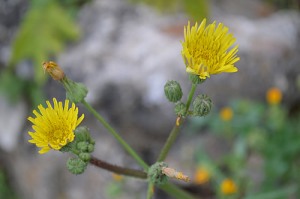
sonchus-asper-prickly-sowthistle
Sonchus asper
Prickly sow-thistle
Oštri kostriš
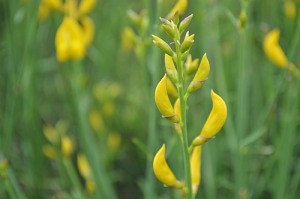
 spartium-junceum-spanish-broom-2
Spartium junceum
Spanish broom
Brnistra
 
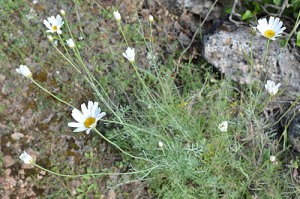
Tanacetum cinerariifolium
Pyrethrum
Buhač
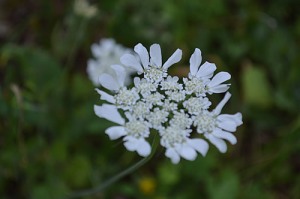
 tordylium-apulium-mediterranean-hartwort
Tordylium apulium
Mediterranean hartwort
Apulijska orja šica
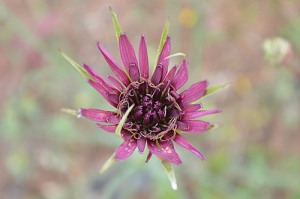
 tragopogon-purple-salsify
Tragopogon porrifolius
Purple or common salsify
Lukasta kozja brada
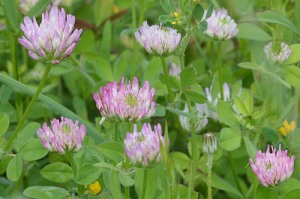
 trifolium-clover
Trifolium
Clover
Djetelina
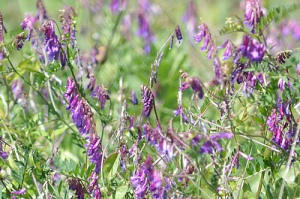
 vicia-villosa-hairy-vetch
Vicia villosa Roth
Hairy vetch
Vlasastodlakava grahorica

“Art is unquestionably one of the purest and highest elements in human happiness. It trains the mind through the eye, and the eye through the mind. As the sun colours flowers, so does art colour life.”

~ John Lubbock (1834-1913) The Pleasures of Life

© Marion Podolski

This article has been reproduced with kind permission from Marion's blog Go Hvar, Ramblings about a far island. Visit the blog for all kinds of information about Hvar, from artistic to epicurean!

Many thanks to Norman Woolons of Dol for identifying the pink flower from a match in his orchard.

You are here: Home

Eco Environment News feeds

  • Deal expected to pave way for further scientific study, boost conservation and open up access to Dorset chalk figure

    The mystery of when, how and – perhaps most importantly – why a giant naked figure was carved into a dizzyingly steep hillside in the English West Country has been a source of wonder and intrigue for centuries.

    Future generations may come closer to solving the puzzle of the Cerne Giant after the National Trust stepped in to buy 340 acres of land around the 55-metre (180ft) figure.

    Continue reading...

  • Exclusive: Brazil’s environment minister talks about climate inaction and the course we have to plot to save ourselves and the planet

    Soon after I returned home to Altamira from Cop30, I found myself talking about dinosaurs, meteors and “ambassadors of harm” with Brazil’s environment minister, Marina Silva.

    No one in government knows the rainforest better than Marina, as she is best known in Brazil, who was born and raised in the Amazon. No one is more aware of the sacrifices that environmental and land defenders have made than this associate of the murdered activist Chico Mendes. And no one worked harder to raise ambition at Cop30, the first climate summit in the Amazon, than her. So what, I asked, had it achieved?

    Continue reading...

  • Fertilising arable land with human waste leaves array of toxins that could re-enter food chain, study finds

    More than 520 chemicals have been found in English soils, including pharmaceutical products and toxins that were banned decades ago, because of the practice of spreading human waste to fertilise arable land.

    Research by scientists at the University of Leeds, published as a preprint in the Journal of Hazardous Materials, found a worrying array of chemicals in English soils. Close to half (46.4%) of the pharmaceutical substances detected had not been reported in previous global monitoring campaigns.

    Continue reading...

  • Pew Charitable Trusts finds plastic pollution will more than double globally by 2040 unless action taken

    The 66m tonnes of pollution from plastic packaging that enters the global environment each year could be almost eliminated by 2040 primarily by reuse and return schemes, significant new research reveals.

    In the most wide-ranging analysis of the global plastic system, the Pew Charitable Trusts, in collaboration with academics including at Imperial College London and the University of Oxford, said plastic, a material once called revolutionary and modern, was now putting public health, world economies and the future of the planet at risk.

    Continue reading...

  • These delicate cloud systems appear to be seeded by massive atmospheric waves thousands of miles away

    Cirrus clouds are our highest clouds; their delicate wispy strands are like an artist’s brushstrokes through the sky. During the day they are bright white and at dawn and dusk they can take on the hues of sunrise and sunset. But how are they made? New research reveals that some cirrus clouds are seeded by storms on the other side of the world, many thousands of miles away. This has implications for global heating as storm patterns shift.

    Meteorologists have long recognised two types of cirrus cloud: “anvil” cirrus, which spread out from large storm systems, and “in-situ” cirrus, which seem to form on their own. Telling them apart is tricky, but by applying a new computer analysis to cloud satellite data, researchers spotted that in-situ cirrus emerged in response to major storm systems on the other side of the Earth.

    Continue reading...

  • Inkpen, Berkshire: Drifting in and out of sleep on the woodland floor, I’m in searing pain, but far from alone

    It was nobody’s fault, but here I am, lying on the damp floor of a wood, half a mile from the road. Drifting down with the falling leaves are the voices of two women, too easily accepting of blame. I reassure them and try to sit up, but the high singing in my ears turns to static, the edges of the wood begin to pixelate, and I lie down again before I faint.

    Moments earlier, deep into Long Copse, Mum’s one-year-old labrador and my two-year-old collie crossbreed had met a young whippet. A case of the zoomies ensued, and as I turned to warn Mum, there was a sledgehammer blow to my lower leg as one, two or maybe all three dogs cannoned into me. Though I didn’t realise for two more days, my leg was broken before I hit the ground.

    Continue reading...

  • From the threat of superintelligent AI to the secrets of a longer life; plus the evolution of language and the restless genius of Francis Crick

    This felt like the year that AI really arrived. It is on our phones and laptops; it is creeping into digital and corporate infrastructure; it is changing the way we learn, work and create; and the global economy rests on the stratospheric valuations of the corporate giants vying to control it.

    But the unchecked rush to go faster and further could extinguish humanity, according to the surprisingly readable and chillingly plausible If Anyone Builds It, Everyone Dies (Bodley Head), by computer scientists Eliezer Yudkowsky and Nate Soares, which argues against creating superintelligent AI able to cognitively outpace Homo sapiens in all departments. “Even an AI that cares about understanding the universe is likely to annihilate humans as a side-effect,” they write, “because humans are not the most efficient method for producing truths … out of all possible ways to arrange matter.” Not exactly cheery Christmas reading but, as the machines literally calculate our demise, you’ll finally grasp all that tech bro lingo about tokens, weights and maximising preferences.

    Continue reading...

  • Project on ‘very poorly understood’ terrain and likely to pass through Rocky Mountain trench, which researchers say poses immense geological hazard

    When an earthquake in 2002 struck in a remote pocket of Alaska, the shock was the strongest ever recorded in the interior of the state. But, miraculously, an oil pipeline that crossed directly over the fault line was unscathed.

    Engineers behind the design of the 800 mile system were prepared. Knowing the high likelihood of seismic activity along the route, which bisected the Denali fault, they constructed sections where the pipeline rested on rail girders, allowing it to sway and shear without snapping.

    Continue reading...

  • The country is the world’s second-largest producer of the popular fish, and the biggest supplier to the US, but its farms are beset by accusations of dangerous labour conditions, antibiotic overuse and ecological harm

    Julia Cárcamo López’s house faces the sea, near enough to hear the gulls calling through the salt-encrusted windows. She lives in the small town of Maullín, on the edge of Chile’s Patagonia, an area where almost everyone works in the fishing industry.

    Outside, it is drizzling and the sky is darkening as she recalls 1 May 2019, one of the worst days of her life. “Two men knocked on my door and told me they had bad news: my husband had had an accident while working at sea,” she says. Since then, she has discovered that the accident seems to have been caused by negligence.

    Continue reading...

  • Banks of servers operating 24/7 generate massive amounts of heat, requiring power to run and cool them

    Datacentre power demand in Australia could triple in five years and is forecast to exceed by 2030 the energy used by electric vehicles.

    Datacentres now draw about 2% of electricity from the National Grid, about 4 terawatt hours of power. The Australian Energy Market Operator (Aemo) expects that share to rise rapidly – growing 25% year-on-year – to reach 12TWh, or 6% of grid demand, by 2030, and 12% by 2050.

    Continue reading...

Eco Health News feeds

Eco Nature News feeds