A guide to Hvar's wildflowers - Spring edition

A beautiful overview of Hvar's rich springtime flower offerings by Marion Podolski.

Brilliant poppies on Hvar in springtime. Brilliant poppies on Hvar in springtime. Photo: Vivian Grisogono

Marion reports:

I’ve been inspired this spring to get outside and learn more about Hvar’s plantlife. I see local folks using flowers and leaves in  drinks, in cooking, as insect repellants, balms and of course to flavour various rakijas! At the same time, we’ve also been watching a wonderful Croatian TV series called Lovac na bilje, which is to say, The Plant Hunter.  Each week, we watched Anton Rudan hike through glorious countryside, chatting to local experts and telling us about some of the special plants there and how they can be used. Fascinating stuff!
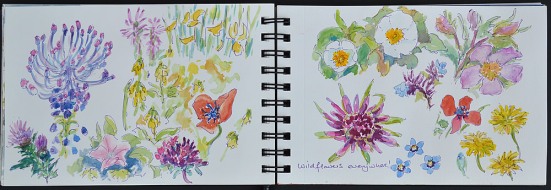
The sun colours flowers and art colours life!

The sun colours flowers and art colours life!

So for the last few weeks I’ve been diligently taking photos of as many flowers as I could find among the paths and byways, sometimes in fields or by the beach. And as part of my explorations, I’ve even had a go at painting some of them! My next step, of course, is to identify each one, and tag my photos with an official name in Latin, English and Croatian. As you’d expect, I’m finding that it’s easy enough to take photos, but much harder to track down the names!!
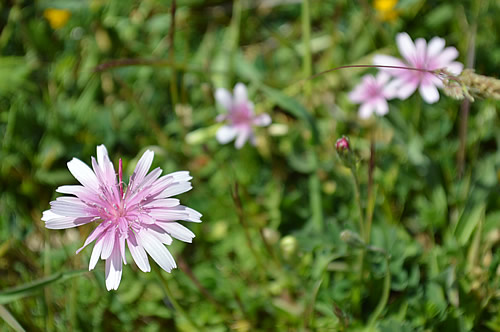
Unidentified pink flowers at Asseria

Unidentified pink flowers at Asseria - subsequently identified as blue lettuce (Lactuca perennis, modra salata)

To start with, I’d photograph the flowers with a narrow depth of field, so the flower is sharply in focus, but the surrounding is nicely blurred. It really does make the flowers stand out beautifully. However… that essentially gives me no information at all about the rest of the plant which could have been really useful!
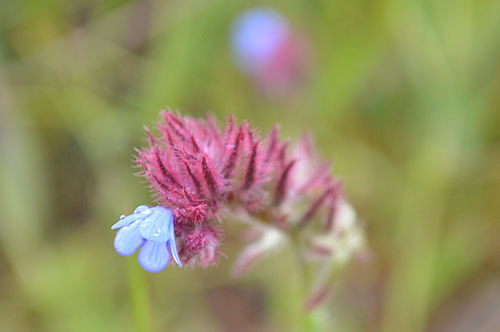
No information on leaves!

How to identify? No visible leaves!

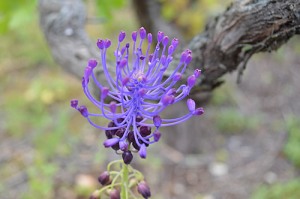
To help ID the flowers, I have a couple of books of plants of the Adriatic coast and islands (in Croatian), plus two iPad apps on wildflowers of Europe/UK, and online resources such as Wikipedia and Plantea.hr. What I’m learning, of course, is the infinite variety of plantlife, and the fact that the ones I’ve photographed don’t always look like the standard references! For example – a flower might be listed under a different colour, or be a radically different shape from that shown, as with this delicate candelabra which turns out to be a variant of a grape hyacinth!
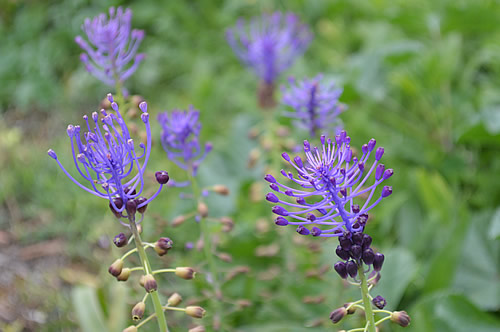
Tassel hyacinth

Tassel hyacinth

It’s been a surprise to me how many of these wildflowers, that are basically scattered everywhere, turn out to have very familiar names – chicory, salsify, vetch, sage, borage, mallow, campion, sorrel, pyrethrum, and so on. Native Mediterranean plants, but long ago introduced further north for their medicinal and culinary properties. Now I know chicory root has been used as a coffee substitute for years, but I had no idea that it has such a lovely blue flower!

So here’s my reference table of the flowers, at least the ones I’ve identified so far.  Disclaimer… while I have a reasonable confidence in most of the names for these plants, some are tentative and I’d be happy to hear from anyone who has a rather better grounding in botany! Click on the images for a bigger picture, and links go to wikipedia or plantea to find out more.
allium-roseum-rosy-garlic
Allium roseum
Rosy garlic
Ružičasti luk
White and pink versions exist. The pink flowers are a tasty garnish for salads.
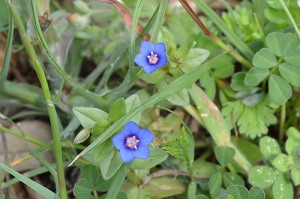
anagallis-arvensis-blue-pimpernel
Analgallis arvensis
Blue pimpernel
Poljska Krivičica
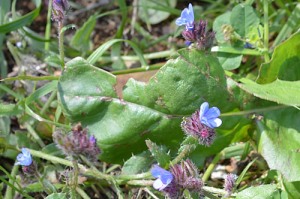
anchusa-bugloss
Anchusa arvenensis / officinalis
Bugloss
Volujak?
Could not find an exact match for the hairy red buds, but appears to be a type of bugloss.
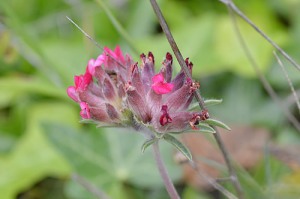
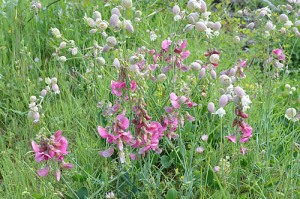
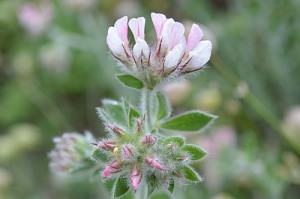
anthyllis-vulneraria-pink-kidney-vetch
Anthyllis vulneraria L. subsp praepropera
Pink kidney vetch / woundwort
Ranjenik
More usually yellow? Any plant with -wort as its English name indicates medicinal use.
antirrhinum-snapdragons-and
Antirrhinum majus
Snapdragon
Zijevalica
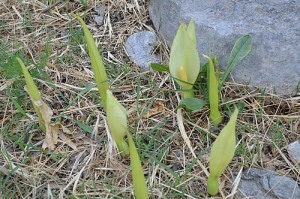
arum-italicum-italian-lords-and-ladies
Arum italicum
Italian lords-and-ladies
Veliki kozlac
Photographed in a Kastela vineyard
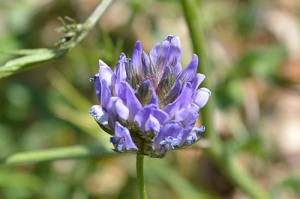
bitumenaria-arabian-pea
Bituminaria bitumenosa
Arabian pea or pitch trefoil
Djeteljnjak
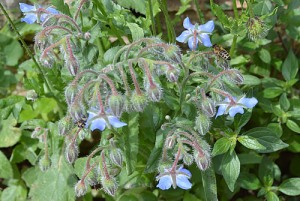
borage-with-bee
Borage officinalis
Borage or starflower
Boražina
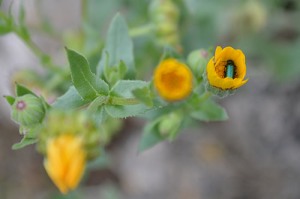
calendula-arvensis-field-marigold-green-beetlejpg
Calendula arvensis
Field marigold
Neven (calendula officinalis)
Pretty green beetle in the flower!
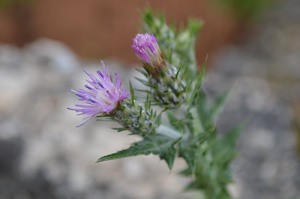
carduus-pycnocephalus-italian-thistle
Carduus pycnocephalus
Italian (plumeless) thistle
Sitnoglavičasti stričak
cichorium-intybus-chicory
Cichorium intybus
Chicory
Cikorija
Root is used in cooking and as substitute for coffee.
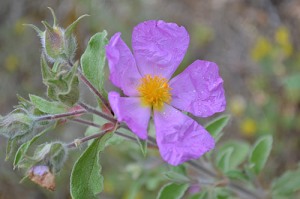
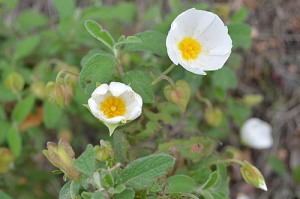
cistus-rockrose

cistus-white-rockrose
Cistus
Rockrose
Bušin

Two varieties – pretty in pink and in white.
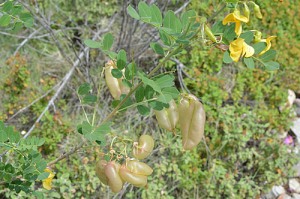
Colutea-arborescens-bladder-senna
Colutea arborescens
Bladdernut tree or bladder senna
Drvolika pucalina
More a shrub than a tree
convolvulus-althaeoides-mallow-bindweed2
Convolvulus althaeoides
Mallow bindweed
Finodlakavi slak
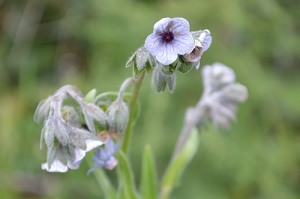
cynoglossum-creticum-blue-hounds-tongue
Cynoglossum creticum
Blue hound’s tongue
Grčki pasji jazik
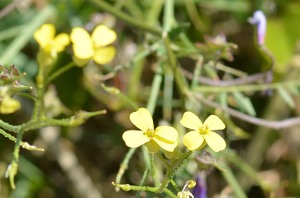
diplotaxis-tenuifolia-perennial-wallrocket
Diplotaxis tenuifolia
Perennial wall-rocket
Uskolisni dvoredac
dorycnium-hirsutum-hairy-canary-clover
Dorycnium hirsutium
(Hairy) canary clover
Čupava bjeloglavica
Love the name!
euphorbia-characias-dalmatian-spurge
Euphorbia characias
Mediterranean spurge
Velika mlječika
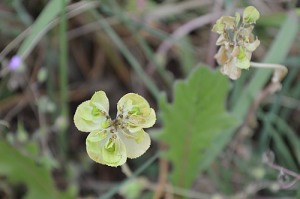
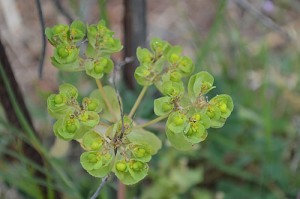
euphorbia-heliocopia-spurge
Euphorbia helioscopia
Spurge
Mlječika suncogled
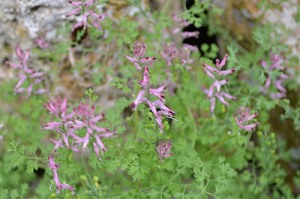
fumaria-officinalis-fumitoryFuminaria officinalis
Fumitory
Dimnjača
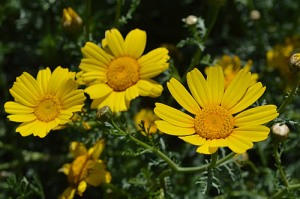
glebionis-coronaria-crown-daisy
Glebionis coronaria
Crown daisy
Croatian name unknown
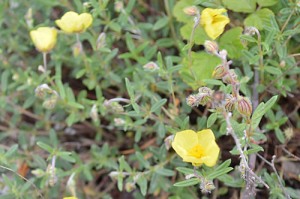
helianthemum-nummularium-common-rockrose
Helianthemum nummularium
Common rock-rose
Sunčanica
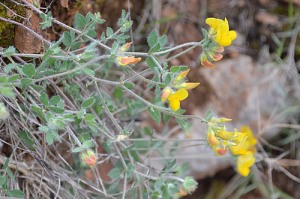
hippocrepis-comosa-horseshoe-vetch-close
Hippocrepus comosa
Horseshoe vetch
Croatian not known
leopoldia-comosa-tassel-hyacinth1
Leopoldia comosa or Muscari comosum
Tassel hyacinth
Kitnjasta presličica
Two versions on the latin name. Related to grape hyacinth.
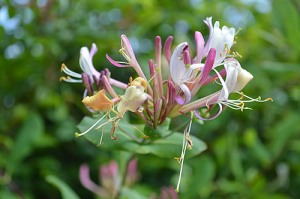
lonicera-implexa-Aiton-honeysuckle
Lonicera implexa Aiton / caprifolium
Honeysuckle
Orlovi Nokti
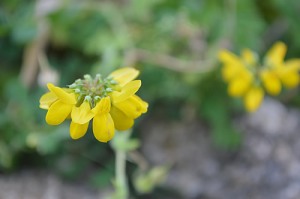
lotus-corniculatus-birds-foot-trefoil
Lotus corniculatus
Bird’s Foot Trefoil
Svinđuša
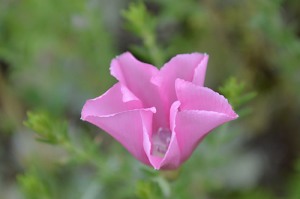
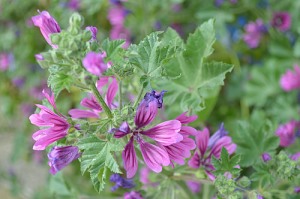
malva-sylvestris-mallow
Malva sylvestris
Mallow
Crni sljez
Photographed in Split
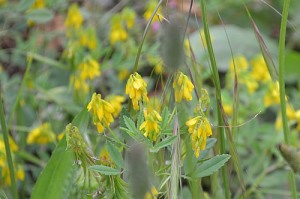
melilotus-officinalis-yellow-sweet-clover
Melilotus officinalis
Yellow sweet clover
Žuti kokotac
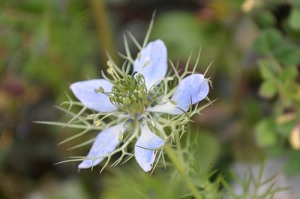
nigella-damascena-love-in-a-mist
Nigella damascena
Love-in-a-mist
Crnjika
Native to the Mediterranean, was already known in English cottage gardens in Tudor times.
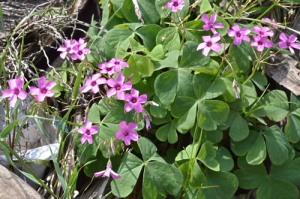
oxalis-pink-sorrel
Oxalis articulata
Pink sorrel
Cecelj
Native to S. America! Now widespread in Europe
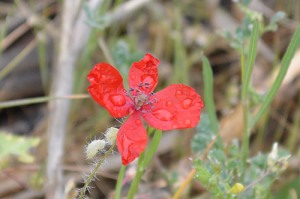
papaver-argemone-poppy
Papaver argemone
Prickly poppy
Mak
Unusual, very tiny poppy seen in the hills.
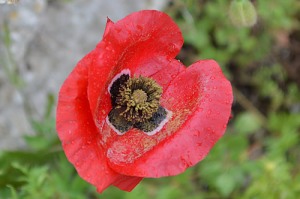
papaver-poppy-single
Papaver rhoeas
Poppy
Divlji mak
Common poppy, seen everywhere!
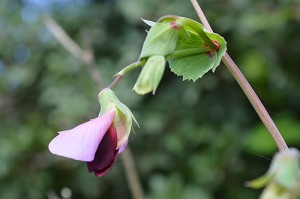
pisum-sativum-pea
Pisum sativum
Pea
Grašak
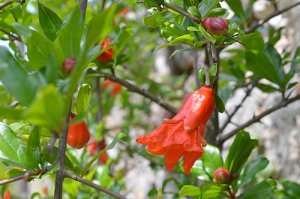
punica-granatum-pomegranate
Punica granatum
Pomegranate
Nar
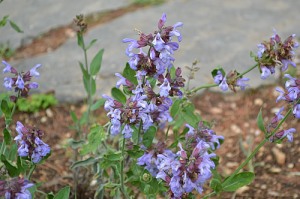
salvia-officinalis-sage-2
Salvia officinalis
Sage
Kadulja
Makes a lovely cordial drink
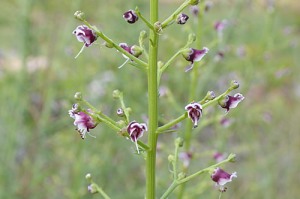
scrophularia-figwort
Scrophularia nodosa
Figwort
Čvorasti /Uskolisni strupnik
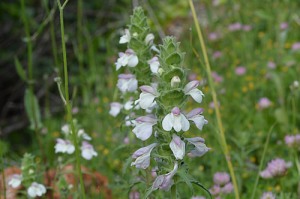
sideritis-romana-ironwort
Sideritis romana
Ironwort
Sredozemni očist
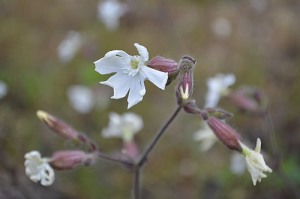
silene-latifolia-white-campion
Silene latifolia
White campion
Pušina
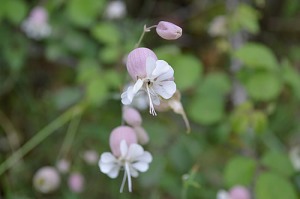
silene-vulgaris-bladder-campion
Silene vulgaris
Bladder campion
Pušina
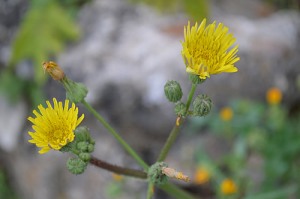
sonchus-asper-prickly-sowthistle
Sonchus asper
Prickly sow-thistle
Oštri kostriš
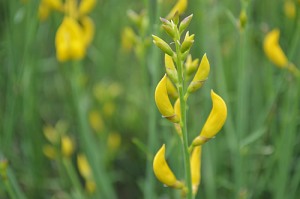
 spartium-junceum-spanish-broom-2
Spartium junceum
Spanish broom
Brnistra
 
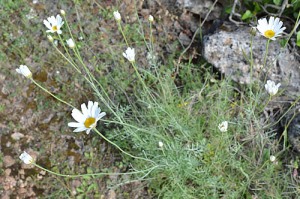
Tanacetum cinerariifolium
Pyrethrum
Buhač
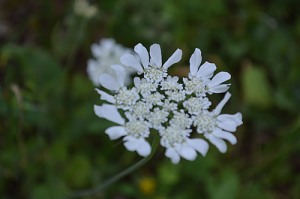
 tordylium-apulium-mediterranean-hartwort
Tordylium apulium
Mediterranean hartwort
Apulijska orja šica
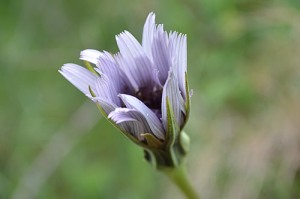
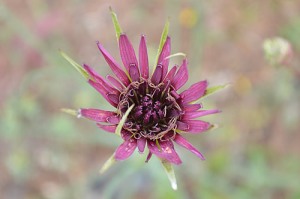
 tragopogon-purple-salsify
Tragopogon porrifolius
Purple or common salsify
Lukasta kozja brada
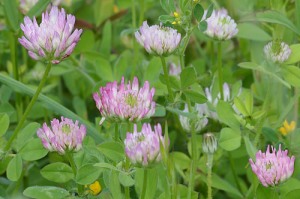
 trifolium-clover
Trifolium
Clover
Djetelina
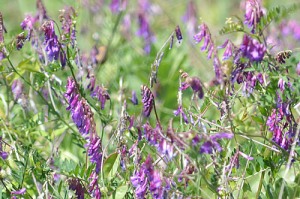
 vicia-villosa-hairy-vetch
Vicia villosa Roth
Hairy vetch
Vlasastodlakava grahorica

“Art is unquestionably one of the purest and highest elements in human happiness. It trains the mind through the eye, and the eye through the mind. As the sun colours flowers, so does art colour life.”

~ John Lubbock (1834-1913) The Pleasures of Life

© Marion Podolski

This article has been reproduced with kind permission from Marion's blog Go Hvar, Ramblings about a far island. Visit the blog for all kinds of information about Hvar, from artistic to epicurean!

Many thanks to Norman Woolons of Dol for identifying the pink flower from a match in his orchard.

Nalazite se ovdje: Home Novosti iz prirode A guide to Hvar's wildflowers - Spring edition

Novosti: Ekologija.hr

  • YouGov survey finds support for tree planting and emissions taxes but opposition to air travel and fuel levies

    Europeans believe human-made climate change is real, a survey has shown, with most feeling action must be taken soon – as long as they do not have to sacrifice too much to achieve it.

    The YouGov poll of six European countries showed between 69% (Germany) and 80% (France) of respondents believed the climate was changing, with few (1%-4%) denying it and 14-20% believing it was changing, but not as a result of human activity.

    Continue reading...

  • This week’s best wildlife photographs from around the world

    Continue reading...

  • Freshways lowers price paid to producers by 7p a litre, prompting warnings confidence in the sector is ‘at rock bottom’

    “Milk is leaving the farm at a loss,” says dairy farmer Ian Harvey, as he warns confidence in the sector is “at rock bottom”.

    Most of the UK’s dairy producers were already being paid less for their milk than it costs to produce it after a year of volatile farmgate milk prices, combined with the impact of the summer’s drought and soaring costs of vital fuel and fertiliser triggered by the conflict in Iran.

    Continue reading...

  • From energy prices to datacenters, climate became a cost-of-living issue – and a winning one

    Climate-forward Democrats swept into power on Tuesday night as a blue tsunami flipped the Senate, House and several governor’s races. Voters were laser-focused on affordability, and experts said Democrats succeeded in linking cost-of-living concerns with rising energy prices, datacenters and, to some extent, the climate crisis. They may have even created a path for a “new climate politics”.

    The results delivered a sharp rebuke of Donald Trump, who started a war with Iran that raised gas pump prices across the country and exposed the fragility of fossil fuels, all while the US oil industry earned $130bn in profits since the war began. Household energy costs soared, driven by various factors including constraints on renewables, climate disasters and a datacenter boom.

    Continue reading...

  • Clophill Lakes, Bedfordshire:Bank vole or wood mouse? On a series of nine-second videos, they’re not so easy to tell apart

    Bank vole or wood mouse? That is the question. I’m working my way through a series of nine-second videos from Clophill Lakes nature reserve, taking notes on how many bank voles appear in the clips. Unfortunately, I can’t tell my voles from my mice.

    The footage begins at 4.47pm, when wildlife volunteer Stephen Plummer switches on the trail camera in his mostela trap: a wooden box with a drainpipe entrance leading to a scattering of nuts and seeds. Both wood mice and bank voles star in the Clophill Saga – a rodential drama set in deciduous woodland beside old ponds – but I’m struggling to tell the two species apart, especially in the monochrome infrared light. I take notes as they enter: BV, 2BV, WM, BV. Or is it WM? I check the differences between them for the umpteenth time – 216 clips later (at 4.46am), I reckon I’ve got my eye in.

    Continue reading...

  • The move to clean electricity will form the focus of the climate summit, which begins next week in coal-obsessed Turkey. The outlook doesn’t look good

    • Don’t get Down to Earth delivered to your inbox? Sign up here

    Holding a climate conference under the presidency of one coal-obsessed country might be regarded as a misfortune for the planet – sharing it between two starts to look provocative. But at this year’s Cop31 UN climate summit in Antalya, coal exporter Australia and coal consumer Turkey will be trying to shift the focus away from dirty fossil fuels and towards clean electricity, with a target on the table to meet 35% of final energy demand from electricity by 2035.

    Will they succeed? The geopolitical outlook for Cop31 is worse than for almost any recent “conference of the parties” under the UN Framework Convention on Climate Change (UNFCCC). Conflicts in Ukraine, Iran and Gaza are destabilising global alliances, an unpredictable White House is sowing economic uncertainty and AI is threatening to unleash digitised chaos.

    ‘Bunch of baloney’: calls grow for Cop summit reforms as countries on track to fail nature targets

    The Amazon’s canary in the coalmine: what a tropical fish can tell us about climate upheaval

    The next global pandemic could be brewing on a mink farm in Utah – and little is being done to stop it

    Continue reading...

  • Four-year study warns destabilised marine food webs could jeopardise food security by 2050

    Warming seas around the UK and the wider north-east Atlantic could destabilise marine food webs, weaken ocean health and jeopardise food security by 2050, according to a four-year study.

    Scientists who projected the impact of climate breakdown on four key groups of marine life crucial to maintaining ocean ecosystems in the region said their results challenged assumptions that in middle latitudes, such as the UK, marine biodiversity was likely to increase across the board.

    Continue reading...

  • Juneau has little arable land, a short growing season and few farmers – and deep traditions of residents and the land feeding each other

    Forty miles north-west of Alaska’s capital, the highway just ends.

    At Glacier Highway’s most northern point, the pavement turns to gravel, the gravel widens into a turnaround and the tire tracks curve back the way they came. At the far end, the woods begin, a narrow hiking trail slipping toward the southern end of Berners Bay.

    Continue reading...

  • The BLVD is home to 250 enterprises, from banks, tattoo shops and restaurants to museums and a performing arts centre

    Passing through the Mojave desert on State Route 14, going by landscapes Hollywood uses to represent alien planets, a driver might not expect to find a walkable, tree-lined boulevard.

    But there are nine beautiful, leafy blocks on West Lancaster Boulevard, a piece of what used to be Highway 14. They were redeveloped as part of a mixed-use urban streetscape in the city of Lancaster, California in 2010.

    The BLVD, as it’s been rebranded, is home to 250 public and private enterprises, from banks, tattoo shops and restaurants to museums, a performing arts centre and a public library. City Hall is just a block south.

    The city invested $11.5m (£8.5m) to transform a busy thoroughfare into an inviting public space. The three lanes in the centre of the former five-lane road were replaced by a series of tree-lined ramblas – Spanish for “avenue” and “watercourse,” because dry stream beds served as streets in early cities.

    The redesign was planned and funded by the city of redevelopment agency. Within four years of completion, it had generated more than $270m in economic output, attracted $130m in investment, created hundreds of jobs and prompted the building or renovation of hundreds of housing units, according to the city.

    The revitalisation has also created more intangible benefits, residents say. The city centre the feels like a gathering space, they said — somewhere where they can feel like part of a community.

    Continue reading...

  • We were promised a panacea for the climate crisis and a way to save our food system. So why is nobody firing up the chicken vats? I went to find out

    On 5 August 2013, a man and a woman ate a burger. Not just any burger: a world-historic burger, made from cattle cells grown in a laboratory by Mark Post, a professor of vascular physiology at Maastricht University in the Netherlands. The burger had taken two years to produce and cost €250,000 (about £210,000 at the time), money furnished by the Google co-founder Sergey Brin. Now it was being tasted in public for the first time at Riverside Studios in London, at an event attended by 200 members of the press and livestreamed to thousands.

    To make this particular burger, Post had extracted stem cells from the shoulder muscle of a living cow, then cultivated them in plastic containers filled with a nutrient-rich supplement called foetal bovine serum, which is derived from cow foetuses. The cells eventually became 20,000 strands of tissue, which in turn became a single 140g patty. Post believed that beef produced this way had the potential to dramatically reduce greenhouse-gas emissions and slow the climate crisis. Raising cattle for consumption requires massive amounts of land and water – and massive amounts of feed grown at a high environmental cost. He projected that global demand for meat would soon outstrip our ability to produce it the old-fashioned way, at which point our food systems would become unsustainable. But that didn’t have to mean a mass recalibration of our consumption habits or a global shift away from red meat. Post and his team had found another way.

    Continue reading...

Novosti: Cybermed.hr

Novosti: Biologija.com