A guide to Hvar's wildflowers - Spring edition

A beautiful overview of Hvar's rich springtime flower offerings by Marion Podolski.

Brilliant poppies on Hvar in springtime. Brilliant poppies on Hvar in springtime. Photo: Vivian Grisogono

Marion reports:

I’ve been inspired this spring to get outside and learn more about Hvar’s plantlife. I see local folks using flowers and leaves in  drinks, in cooking, as insect repellants, balms and of course to flavour various rakijas! At the same time, we’ve also been watching a wonderful Croatian TV series called Lovac na bilje, which is to say, The Plant Hunter.  Each week, we watched Anton Rudan hike through glorious countryside, chatting to local experts and telling us about some of the special plants there and how they can be used. Fascinating stuff!
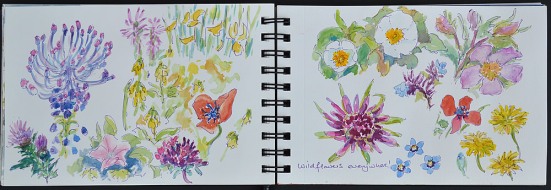
The sun colours flowers and art colours life!

The sun colours flowers and art colours life!

So for the last few weeks I’ve been diligently taking photos of as many flowers as I could find among the paths and byways, sometimes in fields or by the beach. And as part of my explorations, I’ve even had a go at painting some of them! My next step, of course, is to identify each one, and tag my photos with an official name in Latin, English and Croatian. As you’d expect, I’m finding that it’s easy enough to take photos, but much harder to track down the names!!
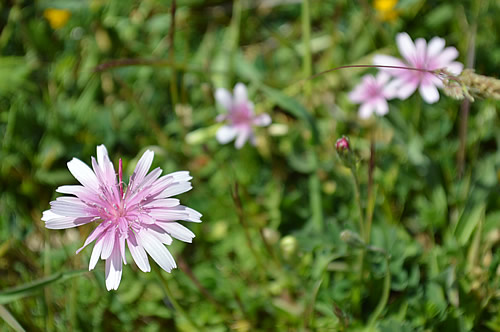
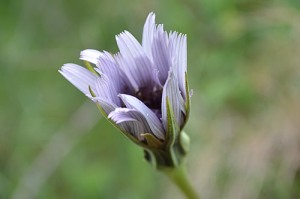
Unidentified pink flowers at Asseria

Unidentified pink flowers at Asseria - subsequently identified as blue lettuce (Lactuca perennis, modra salata)

To start with, I’d photograph the flowers with a narrow depth of field, so the flower is sharply in focus, but the surrounding is nicely blurred. It really does make the flowers stand out beautifully. However… that essentially gives me no information at all about the rest of the plant which could have been really useful!
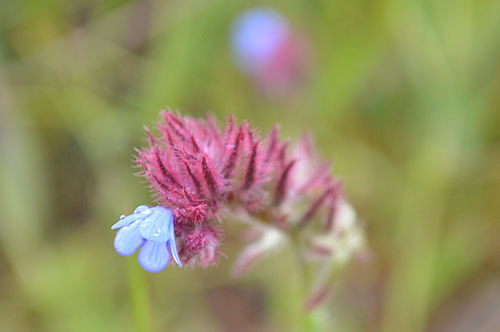
No information on leaves!

How to identify? No visible leaves!

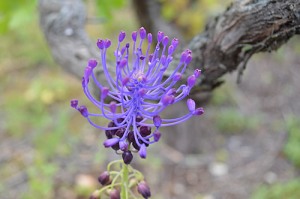
To help ID the flowers, I have a couple of books of plants of the Adriatic coast and islands (in Croatian), plus two iPad apps on wildflowers of Europe/UK, and online resources such as Wikipedia and Plantea.hr. What I’m learning, of course, is the infinite variety of plantlife, and the fact that the ones I’ve photographed don’t always look like the standard references! For example – a flower might be listed under a different colour, or be a radically different shape from that shown, as with this delicate candelabra which turns out to be a variant of a grape hyacinth!
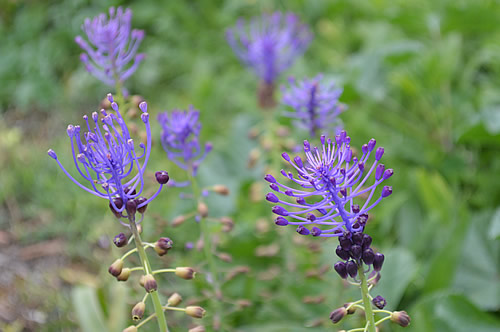
Tassel hyacinth

Tassel hyacinth

It’s been a surprise to me how many of these wildflowers, that are basically scattered everywhere, turn out to have very familiar names – chicory, salsify, vetch, sage, borage, mallow, campion, sorrel, pyrethrum, and so on. Native Mediterranean plants, but long ago introduced further north for their medicinal and culinary properties. Now I know chicory root has been used as a coffee substitute for years, but I had no idea that it has such a lovely blue flower!

So here’s my reference table of the flowers, at least the ones I’ve identified so far.  Disclaimer… while I have a reasonable confidence in most of the names for these plants, some are tentative and I’d be happy to hear from anyone who has a rather better grounding in botany! Click on the images for a bigger picture, and links go to wikipedia or plantea to find out more.
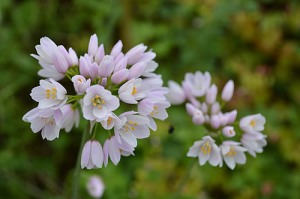
allium-roseum-rosy-garlic
Allium roseum
Rosy garlic
Ružičasti luk
White and pink versions exist. The pink flowers are a tasty garnish for salads.
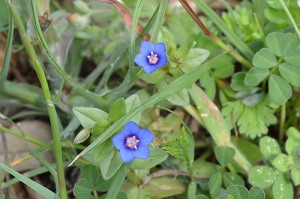
anagallis-arvensis-blue-pimpernel
Analgallis arvensis
Blue pimpernel
Poljska Krivičica
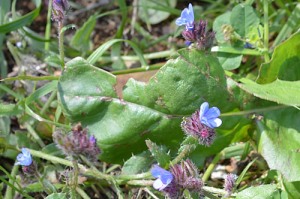
anchusa-bugloss
Anchusa arvenensis / officinalis
Bugloss
Volujak?
Could not find an exact match for the hairy red buds, but appears to be a type of bugloss.
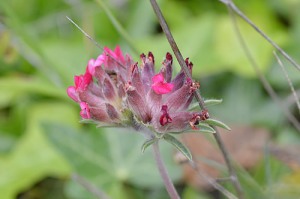
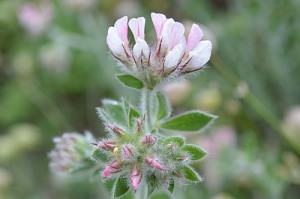
anthyllis-vulneraria-pink-kidney-vetch
Anthyllis vulneraria L. subsp praepropera
Pink kidney vetch / woundwort
Ranjenik
More usually yellow? Any plant with -wort as its English name indicates medicinal use.
antirrhinum-snapdragons-and
Antirrhinum majus
Snapdragon
Zijevalica
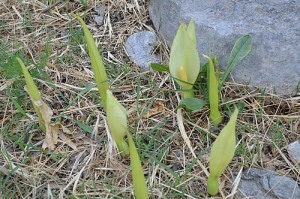
arum-italicum-italian-lords-and-ladies
Arum italicum
Italian lords-and-ladies
Veliki kozlac
Photographed in a Kastela vineyard
bitumenaria-arabian-pea
Bituminaria bitumenosa
Arabian pea or pitch trefoil
Djeteljnjak
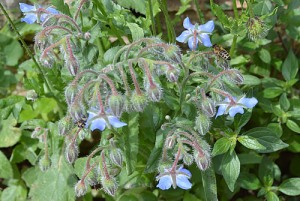
borage-with-bee
Borage officinalis
Borage or starflower
Boražina
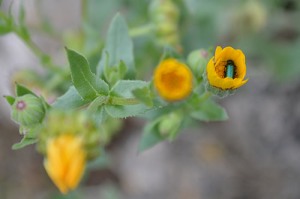
calendula-arvensis-field-marigold-green-beetlejpg
Calendula arvensis
Field marigold
Neven (calendula officinalis)
Pretty green beetle in the flower!
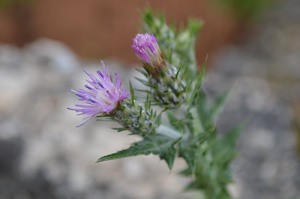
carduus-pycnocephalus-italian-thistle
Carduus pycnocephalus
Italian (plumeless) thistle
Sitnoglavičasti stričak
cichorium-intybus-chicory
Cichorium intybus
Chicory
Cikorija
Root is used in cooking and as substitute for coffee.
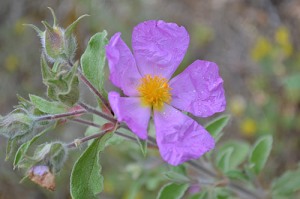
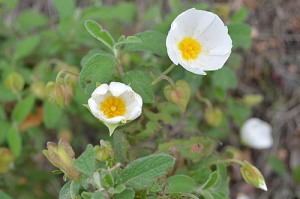
cistus-rockrose

cistus-white-rockrose
Cistus
Rockrose
Bušin

Two varieties – pretty in pink and in white.
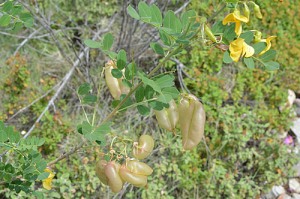
Colutea-arborescens-bladder-senna
Colutea arborescens
Bladdernut tree or bladder senna
Drvolika pucalina
More a shrub than a tree
convolvulus-althaeoides-mallow-bindweed2
Convolvulus althaeoides
Mallow bindweed
Finodlakavi slak
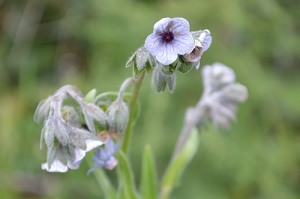
cynoglossum-creticum-blue-hounds-tongue
Cynoglossum creticum
Blue hound’s tongue
Grčki pasji jazik
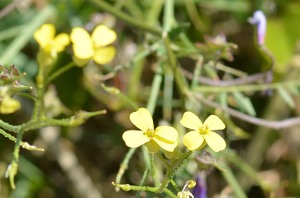
diplotaxis-tenuifolia-perennial-wallrocket
Diplotaxis tenuifolia
Perennial wall-rocket
Uskolisni dvoredac
dorycnium-hirsutum-hairy-canary-clover
Dorycnium hirsutium
(Hairy) canary clover
Čupava bjeloglavica
Love the name!
euphorbia-characias-dalmatian-spurge
Euphorbia characias
Mediterranean spurge
Velika mlječika
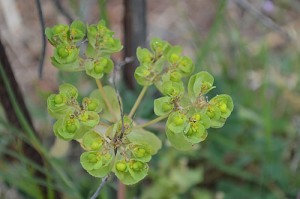
euphorbia-heliocopia-spurge
Euphorbia helioscopia
Spurge
Mlječika suncogled
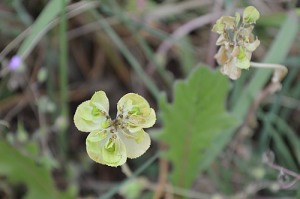
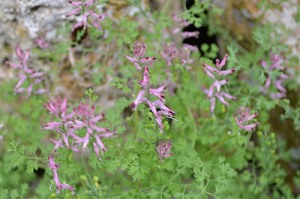
fumaria-officinalis-fumitoryFuminaria officinalis
Fumitory
Dimnjača
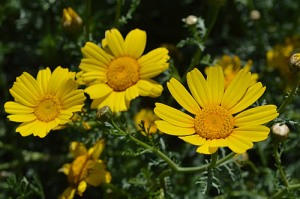
glebionis-coronaria-crown-daisy
Glebionis coronaria
Crown daisy
Croatian name unknown
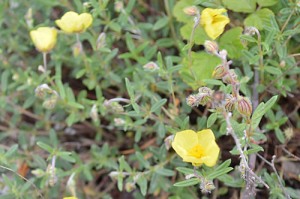
helianthemum-nummularium-common-rockrose
Helianthemum nummularium
Common rock-rose
Sunčanica
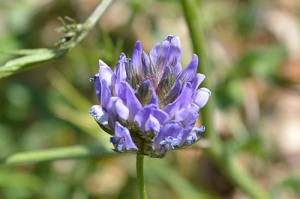
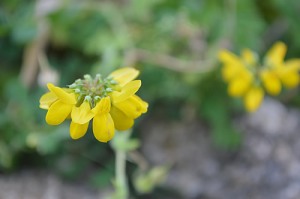
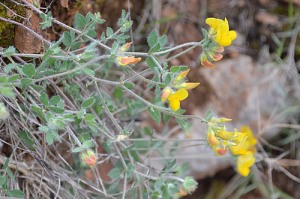
hippocrepis-comosa-horseshoe-vetch-close
Hippocrepus comosa
Horseshoe vetch
Croatian not known
leopoldia-comosa-tassel-hyacinth1
Leopoldia comosa or Muscari comosum
Tassel hyacinth
Kitnjasta presličica
Two versions on the latin name. Related to grape hyacinth.
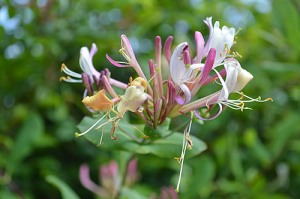
lonicera-implexa-Aiton-honeysuckle
Lonicera implexa Aiton / caprifolium
Honeysuckle
Orlovi Nokti
lotus-corniculatus-birds-foot-trefoil
Lotus corniculatus
Bird’s Foot Trefoil
Svinđuša
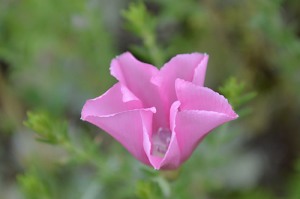
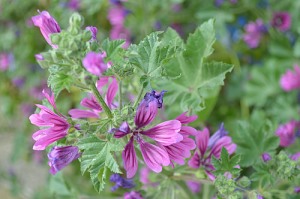
malva-sylvestris-mallow
Malva sylvestris
Mallow
Crni sljez
Photographed in Split
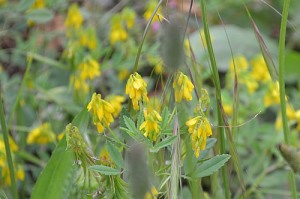
melilotus-officinalis-yellow-sweet-clover
Melilotus officinalis
Yellow sweet clover
Žuti kokotac
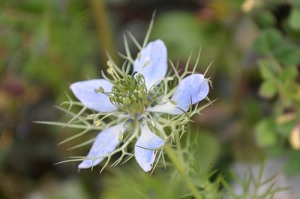
nigella-damascena-love-in-a-mist
Nigella damascena
Love-in-a-mist
Crnjika
Native to the Mediterranean, was already known in English cottage gardens in Tudor times.
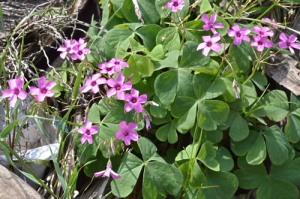
oxalis-pink-sorrel
Oxalis articulata
Pink sorrel
Cecelj
Native to S. America! Now widespread in Europe
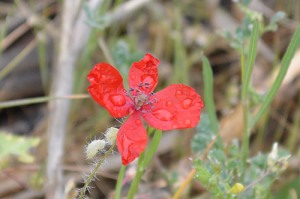
papaver-argemone-poppy
Papaver argemone
Prickly poppy
Mak
Unusual, very tiny poppy seen in the hills.
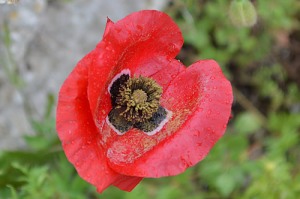
papaver-poppy-single
Papaver rhoeas
Poppy
Divlji mak
Common poppy, seen everywhere!
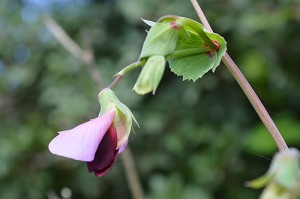
pisum-sativum-pea
Pisum sativum
Pea
Grašak
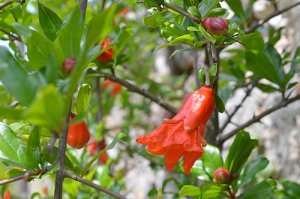
punica-granatum-pomegranate
Punica granatum
Pomegranate
Nar
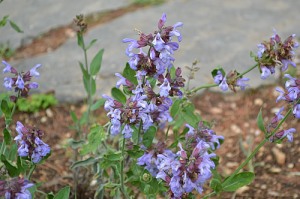
salvia-officinalis-sage-2
Salvia officinalis
Sage
Kadulja
Makes a lovely cordial drink
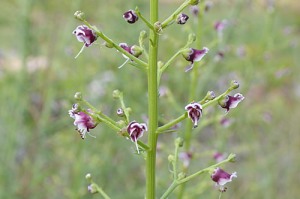
scrophularia-figwort
Scrophularia nodosa
Figwort
Čvorasti /Uskolisni strupnik
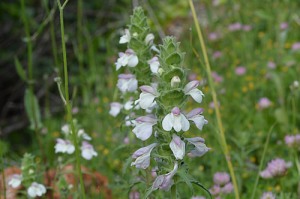
sideritis-romana-ironwort
Sideritis romana
Ironwort
Sredozemni očist
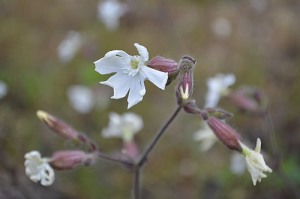
silene-latifolia-white-campion
Silene latifolia
White campion
Pušina
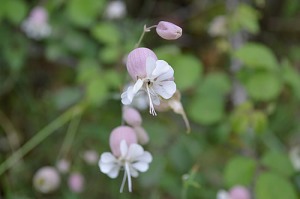
silene-vulgaris-bladder-campion
Silene vulgaris
Bladder campion
Pušina
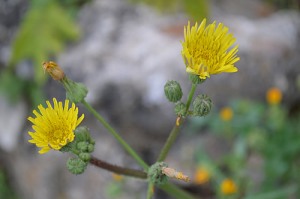
sonchus-asper-prickly-sowthistle
Sonchus asper
Prickly sow-thistle
Oštri kostriš
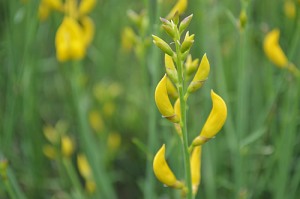
 spartium-junceum-spanish-broom-2
Spartium junceum
Spanish broom
Brnistra
 
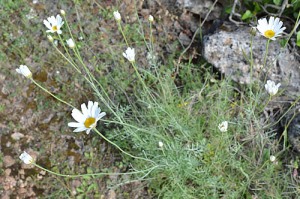
Tanacetum cinerariifolium
Pyrethrum
Buhač
 tordylium-apulium-mediterranean-hartwort
Tordylium apulium
Mediterranean hartwort
Apulijska orja šica
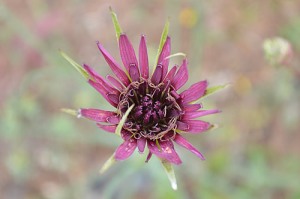
 tragopogon-purple-salsify
Tragopogon porrifolius
Purple or common salsify
Lukasta kozja brada
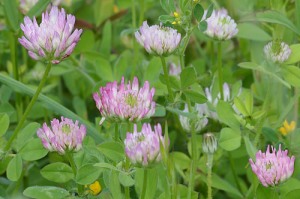
 trifolium-clover
Trifolium
Clover
Djetelina
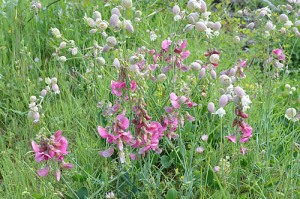
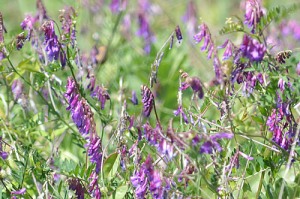
 vicia-villosa-hairy-vetch
Vicia villosa Roth
Hairy vetch
Vlasastodlakava grahorica

“Art is unquestionably one of the purest and highest elements in human happiness. It trains the mind through the eye, and the eye through the mind. As the sun colours flowers, so does art colour life.”

~ John Lubbock (1834-1913) The Pleasures of Life

© Marion Podolski

This article has been reproduced with kind permission from Marion's blog Go Hvar, Ramblings about a far island. Visit the blog for all kinds of information about Hvar, from artistic to epicurean!

Many thanks to Norman Woolons of Dol for identifying the pink flower from a match in his orchard.

Nalazite se ovdje: Home Novosti iz prirode A guide to Hvar's wildflowers - Spring edition

Novosti: Ekologija.hr

  • Four-year study warns destabilised marine food webs could jeopardise food security by 2050

    Warming seas around the UK and the wider north-east Atlantic could destabilise marine food webs, weaken ocean health and jeopardise food security by 2050, according to a four-year study.

    Scientists who projected the impact of climate breakdown on four key groups of marine life crucial to maintaining ocean ecosystems in the region said their results challenged assumptions that in middle latitudes, such as the UK, marine biodiversity was likely to increase across the board.

    Continue reading...

  • With parts of region served by company in severe drought still, regulators give it six weeks to come up with action plan

    Repeated failures by South West Water to tackle leaks are putting customers at higher risks of losing water supplies as parts of the region remain in severe drought, regulators have said.

    In a warning to the privatised company that serves 1.8 million people across the south-west of England, the regulators said it had been failing to meet targets to reduce leaks and repair burst pipes for seven years.

    Continue reading...

  • A stricken container ship shed tonnes of tiny pellets called nurdles on the west coast. Five years on, locals are counting the cost to marine life and livelihoods

    On the beach in Pamunugama, on Sri Lanka’s west coast, women in uniform work under the scorching sun. They sift through rubbish washed ashore, searching among the usual litter for something much smaller: tiny plastic pellets.

    Five years ago, in May 2021, this same beach was swamped with pellets as smoke rose over the Indian Ocean.

    Continue reading...

  • Events that deliver about half of global rainfall are getting shorter but more intense, with wide-ranging implications

    The world’s wettest rainstorms produce about half of the global annual rainfall. Now a study shows that these intense downpours have become shorter in duration and fewer in number, compressing the same amount of rain into quicker and more extreme events, with implications for flood and drought risk.

    Chiyuan Miao and colleagues from Beijing Normal University in China analysed daily measurements between 1980 and 2022 from more than 19,000 rain gauges around the world. They found that an average of about half of the world’s rainfall fell during about nine multi-day storms, delivered over a cumulative time of about 28 days.

    Continue reading...

  • We were promised a panacea for the climate crisis and a way to save our food system. So why is nobody firing up the chicken vats? I went to find out

    On 5 August 2013, a man and a woman ate a burger. Not just any burger: a world-historic burger, made from cattle cells grown in a laboratory by Mark Post, a professor of vascular physiology at Maastricht University in the Netherlands. The burger had taken two years to produce and cost €250,000 (about £210,000 at the time), money furnished by the Google co-founder Sergey Brin. Now it was being tasted in public for the first time at Riverside Studios in London, at an event attended by 200 members of the press and livestreamed to thousands.

    To make this particular burger, Post had extracted stem cells from the shoulder muscle of a living cow, then cultivated them in plastic containers filled with a nutrient-rich supplement called foetal bovine serum, which is derived from cow foetuses. The cells eventually became 20,000 strands of tissue, which in turn became a single 140g patty. Post believed that beef produced this way had the potential to dramatically reduce greenhouse-gas emissions and slow the climate crisis. Raising cattle for consumption requires massive amounts of land and water – and massive amounts of feed grown at a high environmental cost. He projected that global demand for meat would soon outstrip our ability to produce it the old-fashioned way, at which point our food systems would become unsustainable. But that didn’t have to mean a mass recalibration of our consumption habits or a global shift away from red meat. Post and his team had found another way.

    Continue reading...

  • Liverpool: Their summer flowers provide the name and the fame, but this species is arguably at its best now

    Beech mast crunches underfoot, and the occasional conker catches the sunlight, tiny beacons leading me to Camp Hill, south Liverpool, with its distant views over the Mersey estuary. Goldfinches erupt from desiccated knapweed, and a flock of pink-footed geese fly overhead. For once, the birds are not my goal, but a tree: the tulip tree (Liriodendron tulipifera).

    Every autumn, the Camp Hill tulip tree flaunts its flamboyant presence: the Lady Gaga of the parkland. Named because its flowers resemble a tulip flower, and its leaves a tulip silhouette, few can resist its tulle lace canopy of butter-gold leaves. The luminescence is enhanced by the sheen of its leaf cuticles, and the fissured trunk adds yet more sensory impact. Yet this year there is a strangeness: instead of the golden monotone you would expect of this moment, there is a messy mix of different shades. Might the summer drought have disrupted the pigment battle between anthocyanins and carotenoids?

    Continue reading...

  • Ministers urged to go further than proposed cut to 110 decibels to ease acute stress on birds and other animals

    Campaigners are calling on the UK government to protect the welfare of wild animals by cutting the maximum noise level of fireworks sold to the public from 120 to 90 decibels.

    The Center for Wild Animal Welfare (CWAW) has said lowering the limit to 90dB – which is about one-eighth of the loudness of 120dB – would help to protect millions of wild animals from acute stress by reducing the area over which a firework disturbs surrounding wildlife.

    Continue reading...

  • The BLVD is home to 250 enterprises, from banks, tattoo shops and restaurants to museums and a performing arts centre

    Passing through the Mojave desert on State Route 14, going by landscapes Hollywood uses to represent alien planets, a driver might not expect to find a walkable, tree-lined boulevard.

    But there are nine beautiful, leafy blocks on West Lancaster Boulevard, a piece of what used to be Highway 14. They were redeveloped as part of a mixed-use urban streetscape in the city of Lancaster, California in 2010.

    The BLVD, as it’s been rebranded, is home to 250 public and private enterprises, from banks, tattoo shops and restaurants to museums, a performing arts centre and a public library. City Hall is just a block south.

    The city invested $11.5m (£8.5m) to transform a busy thoroughfare into an inviting public space. The three lanes in the centre of the former five-lane road were replaced by a series of tree-lined ramblas – Spanish for “avenue” and “watercourse,” because dry stream beds served as streets in early cities.

    The redesign was planned and funded by the city of redevelopment agency. Within four years of completion, it had generated more than $270m in economic output, attracted $130m in investment, created hundreds of jobs and prompted the building or renovation of hundreds of housing units, according to the city.

    The revitalisation has also created more intangible benefits, residents say.. The city centre the feels like a gathering space, they said — somewhere where they can feel like part of a community.

    Continue reading...

  • We are raiding the Guardian long read archives to bring you some classic pieces from years past, with new introductions from the authors

    This week, from 2023: A year ago, Germany’s vice-chancellor was one of the country’s best-liked public figures. Then came the tabloid-driven backlash. Now he has to win the argument all over again

    By Philip Oltermann. Read by Sam Peter Jackson

    Read the text version here

    Support the Guardian today: theguardian.com/longreadpod

    Continue reading...

  • With globe-spanning artists – including Charlotte Church doing angry electropop – the Flow project is hoping to make an impact at this month’s Cop31

    Amid tense and long-winded negotiations, and with the future of the planet at stake, emotions can often run high at Cop climate summits. But last year, when the annual conference arrived in Brazil, one UN official was unexpectedly moved to tears by five women singing about the power of water.

    “She gave me a massive hug after the event and said, ‘We need to bring music into Cop,’” says Nikita Llerena, the project manager for Flow, a music collective that’s hoping to bring art to the centre of the climate movement. What started as a handful of musicians meeting over Zoom last year has grown into a full-length album that unites female artists from around the world, including Charlotte Church, Maxine Peake and Nadine Shah. This month, members of the collective will return for Cop31, in Turkey, where they have been promoted to a slot at Global Cultural Action’s opening event.

    Continue reading...

Novosti: Cybermed.hr

Novosti: Biologija.com