-
From Sri Lanka to South Korea, governments are preparing for droughts, wildfires, typhoons and floods – with climate plans facing their biggest challenge to date
Asian governments are rushing preparations for the most severe El Niño weather event on record, with hundreds of millions of people bracing for multiple crises at once as extreme heat, heavy rain and food shortages hit the region.
Fuelled by exceptionally warm ocean conditions across the tropical Pacific – and developing alongside the human-driven climate crisis – El Niño is virtually guaranteed to grow to a very strong intensity towards the end of this year and into 2027.
Continue reading...
-
Long-term research in New York shows efforts to reduce air pollution associated with higher cognitive test scores
Improvements in air pollution are leading to brighter, smarter toddlers, according to a new study from Columbia University in New York.
For more than two decades, Prof Frederica Perera and a team from the Columbia Center for Children’s Environmental Health measured the air pollution exposure of pregnant women and the development of their children in the disadvantaged communities of northern Manhattan and the South Bronx. More than 1,100 children were assessed when they were one, two and three years old.
Continue reading...
-
In this week’s newsletter: As the Guardian launches a year-long project, Our Rivers, we take stock of the issues facing waterways around the world
The nicknames of the world’s biggest rivers give a sense of how we feel about them: “the great river”, “the river that swallows all rivers”, “Mother Ganga” and “Old father Thames”. They feed and water us, and many other animal species. They carry our trade but also give us cool relief on a hot day. They’re nerve endings, elders and sources of comfort, but also of awe and respect.
And yet many of the world’s rivers are suffering, hit by multiple environmental challenges. A new report out today from the World Meteorological Organization finds that rivers across the world experienced one of the driest years in more than three decades during 2025.
Climate crisis probably weakened glacier that caused devastating Nepal-Tibet floods, first study finds
Who are the 514 people accused of starting French wildfires and what motivates them?
Benedict Cumberbatch on his Earth-saving eco film: ‘We are in the last grab of the extraction era’
Continue reading...
-
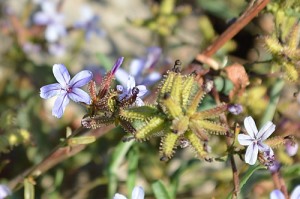
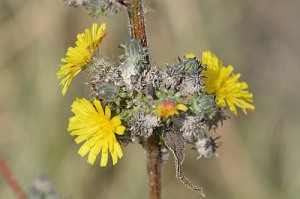
This week’s best wildlife photographs from around the world
Continue reading...
-
Efra committee calls for emergency legislation enabling government to take public control of the company
Andy Burnham is under further pressure to take control of ailing Thames Water from a cross-party group of MPs who are calling for ministers to break off talks with the US hedge funds who are effectively running the company.
Adding their voices to demands that the prime minister takes public control of the company, which has debts of £20bn and is being controlled by a group of 100 hedge funds and distressed-debt investors, the MPs said in a report that ministers should consider emergency legislation to take control of its financial affairs to stabilise the company.
Continue reading...
-
Caistor St Edmund, Norfolk: We have three breeding pairs on the farm, and one in particular has been a source of fascination and amusement
I’m out on the farm most days, but I miss so much. It took a few days to notice a mother mallard with her late brood of 12 ducklings until they were all dabbling in a yard puddle. Dad sees more than me. He told me of the lazy adult buzzard that waited in a tree, then dive-bombed a peregrine that had caught a pigeon. The peregrine dropped its prey, which the buzzard then delivered to a hay bale already strewn with feathers. A pair of juvenile buzzards swiftly followed, ready for a meal.
Later, Dad placed the trail camera at the bale. The young buzzards were soon back in position with yet another dead pigeon. The footage tells a story that many parents will recognise after the long summer holidays.
Continue reading...
-
Exclusive: PM, who is facing pressure over whether to approve North Sea oil and gasfields, makes strongest comments yet on issue
The UK must fully commit to reaching net zero by 2050, Andy Burnham has argued in his strongest comments yet on the issue, saying it is no longer possible for Britons to believe they are not already affected by a changing climate.
Writing for the Guardian about new plans for a mass of community-led local green energy projects, the prime minister said the UK must “believe in itself”, and set out his determination to reach net zero targets, which have been rejected by the Conservatives and Reform UK.
Continue reading...
-
After losing much of its forests in recent decades, the country’s people have led the way in planting saplings across the country as part of the government’s Green Legacy Initiative
When Halima Kedir first began planting trees, she was met with scepticism and even mockery. “My neighbours discouraged me,” she recalls, sitting on a wooden chair in her garden, which is lush with the trees and fruits she has planted – banana, olive and grevillea among them.
“They thought I was striving for nothing, but with time, many are realising that trees can be part of the solution to our problems as a way to fight climate change and food insecurity,” she says.
Continue reading...
-
Sewage, dog carcasses and industrial waste clog Argentina’s second most-polluted river. Meet the activists cleaning it up
Twenty-three years ago, María Monges looked around her flooded neighbourhood and knew something had to be done.
Founded in 1998 in Buenos Aires province’s San Martín district, the community of Costa Esperanza sits on the banks of the Reconquista, Argentina’s second most-polluted river and owes its name to the fictional location of a hit Argentine youth telenovela of the time, Verano del 98. But the real place is very different from the idyllic coastal city where the protagonists of Argentina’s answer to Dawson’s Creek met their first loves or sang around bonfires.
Continue reading...
-
As three siblings came of age and had to leave their pack, scientists tracked the dogs’ perilous 2,500-mile odyssey to find their own territory
It sounds like a Disney movie: three wild dogs, all brothers, on an epic journey to find a home of their own after their family tells them to leave. They dodge cars and hunters in search of a new life, navigating bushmeat snares and the hostility of a human-dominated landscape until they find a new haven on the African savannah.
But this is exactly what happened in Zambia last year, when three endangered African wild dogs made the longest-ever recorded single journey of any mammal from the continent. The brothers travelled more than 2,500 miles (4,100km) over eight months in their “dispersal” – when a young dog comes of age and must establish new territory to find a mate and start a family of their own.
Continue reading...