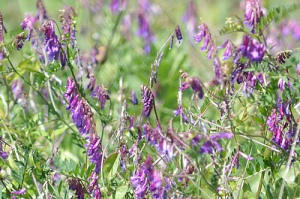
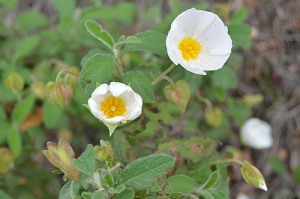
A guide to Hvar's wildflowers - Spring edition

A beautiful overview of Hvar's rich springtime flower offerings by Marion Podolski.

Brilliant poppies on Hvar in springtime. Brilliant poppies on Hvar in springtime. Photo: Vivian Grisogono

Marion reports:

I’ve been inspired this spring to get outside and learn more about Hvar’s plantlife. I see local folks using flowers and leaves in  drinks, in cooking, as insect repellants, balms and of course to flavour various rakijas! At the same time, we’ve also been watching a wonderful Croatian TV series called Lovac na bilje, which is to say, The Plant Hunter.  Each week, we watched Anton Rudan hike through glorious countryside, chatting to local experts and telling us about some of the special plants there and how they can be used. Fascinating stuff!
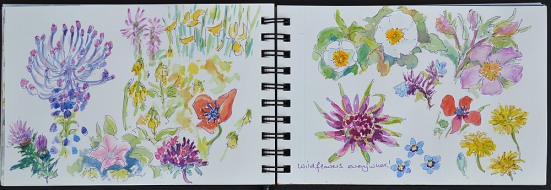
The sun colours flowers and art colours life!

The sun colours flowers and art colours life!

So for the last few weeks I’ve been diligently taking photos of as many flowers as I could find among the paths and byways, sometimes in fields or by the beach. And as part of my explorations, I’ve even had a go at painting some of them! My next step, of course, is to identify each one, and tag my photos with an official name in Latin, English and Croatian. As you’d expect, I’m finding that it’s easy enough to take photos, but much harder to track down the names!!
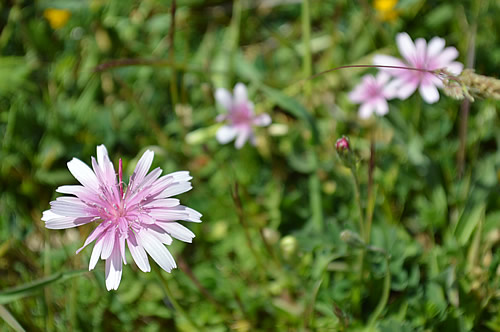
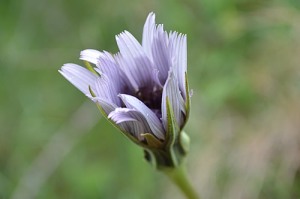
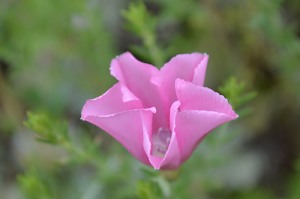
Unidentified pink flowers at Asseria

Unidentified pink flowers at Asseria - subsequently identified as blue lettuce (Lactuca perennis, modra salata)

To start with, I’d photograph the flowers with a narrow depth of field, so the flower is sharply in focus, but the surrounding is nicely blurred. It really does make the flowers stand out beautifully. However… that essentially gives me no information at all about the rest of the plant which could have been really useful!
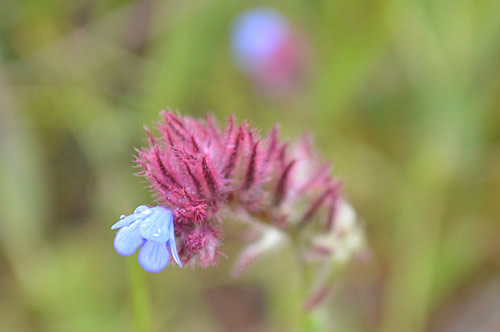
No information on leaves!

How to identify? No visible leaves!

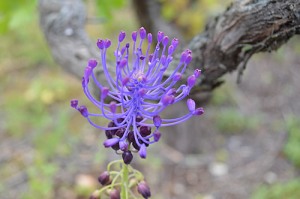
To help ID the flowers, I have a couple of books of plants of the Adriatic coast and islands (in Croatian), plus two iPad apps on wildflowers of Europe/UK, and online resources such as Wikipedia and Plantea.hr. What I’m learning, of course, is the infinite variety of plantlife, and the fact that the ones I’ve photographed don’t always look like the standard references! For example – a flower might be listed under a different colour, or be a radically different shape from that shown, as with this delicate candelabra which turns out to be a variant of a grape hyacinth!
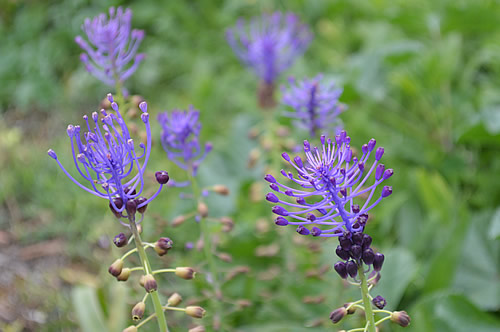
Tassel hyacinth

Tassel hyacinth

It’s been a surprise to me how many of these wildflowers, that are basically scattered everywhere, turn out to have very familiar names – chicory, salsify, vetch, sage, borage, mallow, campion, sorrel, pyrethrum, and so on. Native Mediterranean plants, but long ago introduced further north for their medicinal and culinary properties. Now I know chicory root has been used as a coffee substitute for years, but I had no idea that it has such a lovely blue flower!

So here’s my reference table of the flowers, at least the ones I’ve identified so far.  Disclaimer… while I have a reasonable confidence in most of the names for these plants, some are tentative and I’d be happy to hear from anyone who has a rather better grounding in botany! Click on the images for a bigger picture, and links go to wikipedia or plantea to find out more.
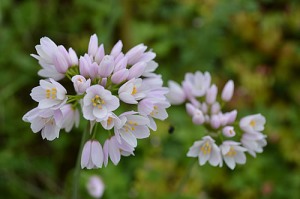
allium-roseum-rosy-garlic
Allium roseum
Rosy garlic
Ružičasti luk
White and pink versions exist. The pink flowers are a tasty garnish for salads.
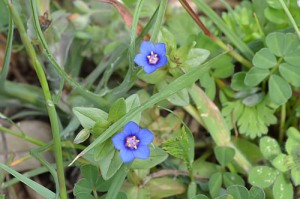
anagallis-arvensis-blue-pimpernel
Analgallis arvensis
Blue pimpernel
Poljska Krivičica
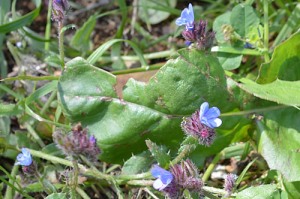
anchusa-bugloss
Anchusa arvenensis / officinalis
Bugloss
Volujak?
Could not find an exact match for the hairy red buds, but appears to be a type of bugloss.
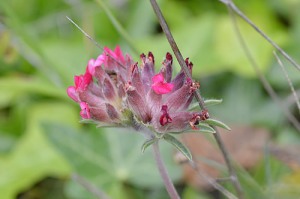
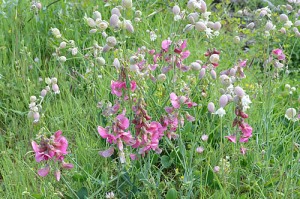
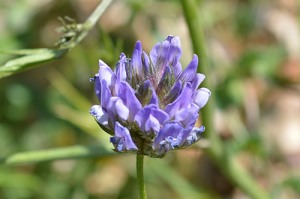
anthyllis-vulneraria-pink-kidney-vetch
Anthyllis vulneraria L. subsp praepropera
Pink kidney vetch / woundwort
Ranjenik
More usually yellow? Any plant with -wort as its English name indicates medicinal use.
antirrhinum-snapdragons-and
Antirrhinum majus
Snapdragon
Zijevalica
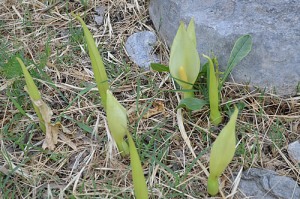
arum-italicum-italian-lords-and-ladies
Arum italicum
Italian lords-and-ladies
Veliki kozlac
Photographed in a Kastela vineyard
bitumenaria-arabian-pea
Bituminaria bitumenosa
Arabian pea or pitch trefoil
Djeteljnjak
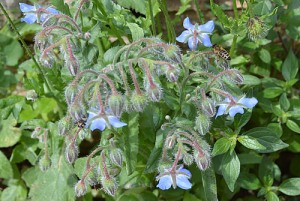
borage-with-bee
Borage officinalis
Borage or starflower
Boražina
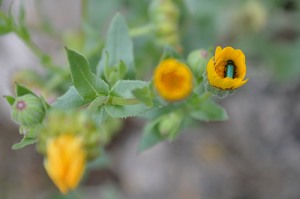
calendula-arvensis-field-marigold-green-beetlejpg
Calendula arvensis
Field marigold
Neven (calendula officinalis)
Pretty green beetle in the flower!
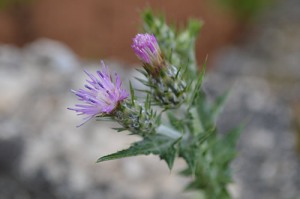
carduus-pycnocephalus-italian-thistle
Carduus pycnocephalus
Italian (plumeless) thistle
Sitnoglavičasti stričak
cichorium-intybus-chicory
Cichorium intybus
Chicory
Cikorija
Root is used in cooking and as substitute for coffee.
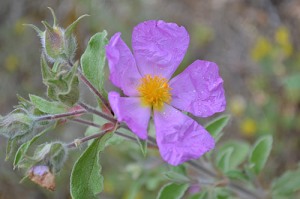
cistus-rockrose

cistus-white-rockrose
Cistus
Rockrose
Bušin

Two varieties – pretty in pink and in white.
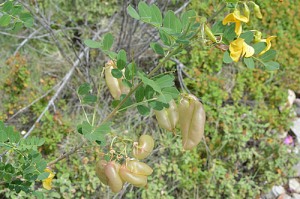
Colutea-arborescens-bladder-senna
Colutea arborescens
Bladdernut tree or bladder senna
Drvolika pucalina
More a shrub than a tree
convolvulus-althaeoides-mallow-bindweed2
Convolvulus althaeoides
Mallow bindweed
Finodlakavi slak
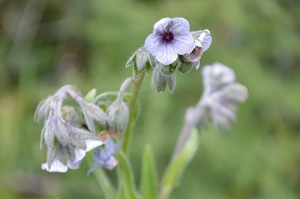
cynoglossum-creticum-blue-hounds-tongue
Cynoglossum creticum
Blue hound’s tongue
Grčki pasji jazik
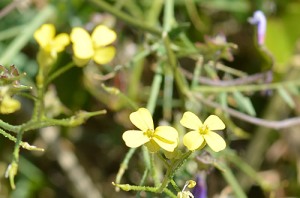
diplotaxis-tenuifolia-perennial-wallrocket
Diplotaxis tenuifolia
Perennial wall-rocket
Uskolisni dvoredac
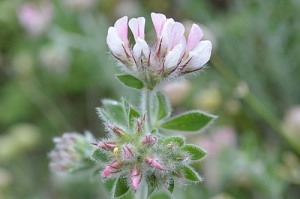
dorycnium-hirsutum-hairy-canary-clover
Dorycnium hirsutium
(Hairy) canary clover
Čupava bjeloglavica
Love the name!
euphorbia-characias-dalmatian-spurge
Euphorbia characias
Mediterranean spurge
Velika mlječika
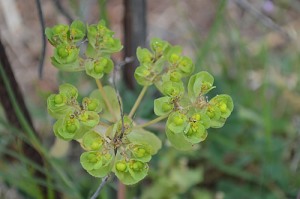
euphorbia-heliocopia-spurge
Euphorbia helioscopia
Spurge
Mlječika suncogled
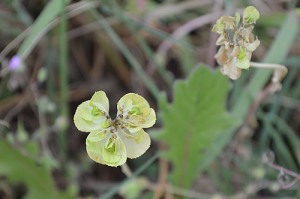
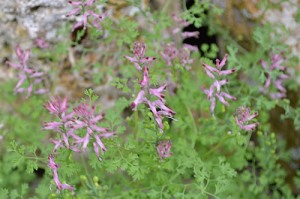
fumaria-officinalis-fumitoryFuminaria officinalis
Fumitory
Dimnjača
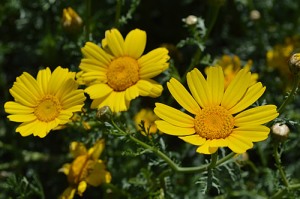
glebionis-coronaria-crown-daisy
Glebionis coronaria
Crown daisy
Croatian name unknown
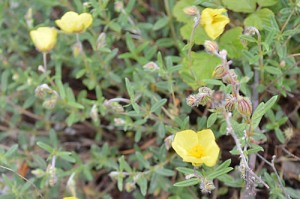
helianthemum-nummularium-common-rockrose
Helianthemum nummularium
Common rock-rose
Sunčanica
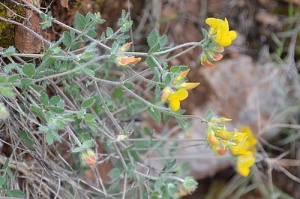
hippocrepis-comosa-horseshoe-vetch-close
Hippocrepus comosa
Horseshoe vetch
Croatian not known
leopoldia-comosa-tassel-hyacinth1
Leopoldia comosa or Muscari comosum
Tassel hyacinth
Kitnjasta presličica
Two versions on the latin name. Related to grape hyacinth.
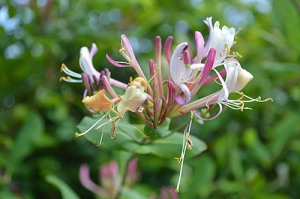
lonicera-implexa-Aiton-honeysuckle
Lonicera implexa Aiton / caprifolium
Honeysuckle
Orlovi Nokti
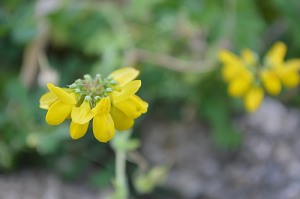
lotus-corniculatus-birds-foot-trefoil
Lotus corniculatus
Bird’s Foot Trefoil
Svinđuša
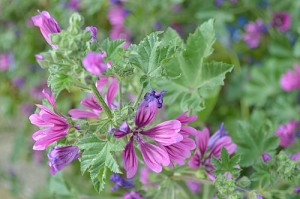
malva-sylvestris-mallow
Malva sylvestris
Mallow
Crni sljez
Photographed in Split
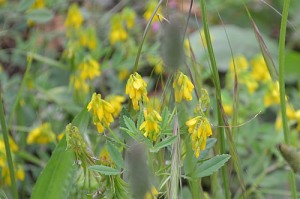
melilotus-officinalis-yellow-sweet-clover
Melilotus officinalis
Yellow sweet clover
Žuti kokotac
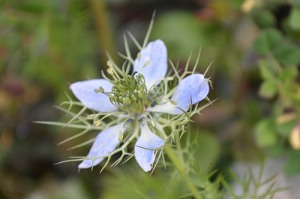
nigella-damascena-love-in-a-mist
Nigella damascena
Love-in-a-mist
Crnjika
Native to the Mediterranean, was already known in English cottage gardens in Tudor times.
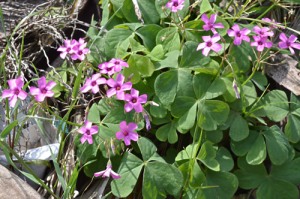
oxalis-pink-sorrel
Oxalis articulata
Pink sorrel
Cecelj
Native to S. America! Now widespread in Europe
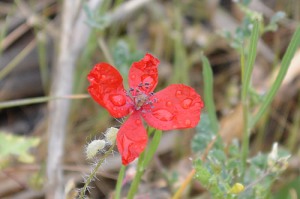
papaver-argemone-poppy
Papaver argemone
Prickly poppy
Mak
Unusual, very tiny poppy seen in the hills.
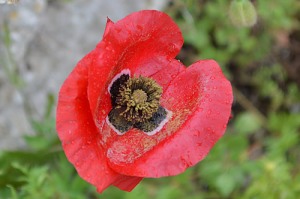
papaver-poppy-single
Papaver rhoeas
Poppy
Divlji mak
Common poppy, seen everywhere!
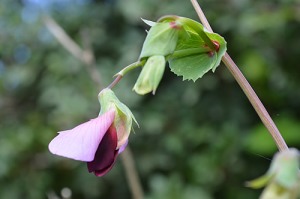
pisum-sativum-pea
Pisum sativum
Pea
Grašak
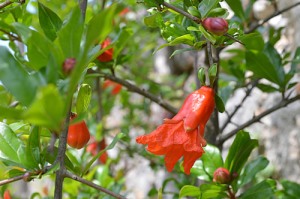
punica-granatum-pomegranate
Punica granatum
Pomegranate
Nar
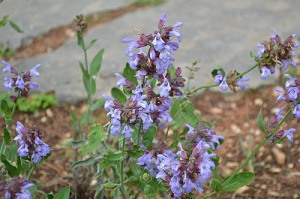
salvia-officinalis-sage-2
Salvia officinalis
Sage
Kadulja
Makes a lovely cordial drink
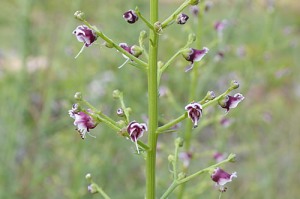
scrophularia-figwort
Scrophularia nodosa
Figwort
Čvorasti /Uskolisni strupnik
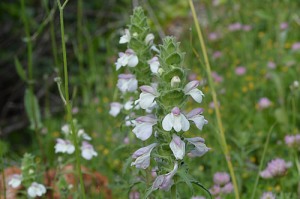
sideritis-romana-ironwort
Sideritis romana
Ironwort
Sredozemni očist
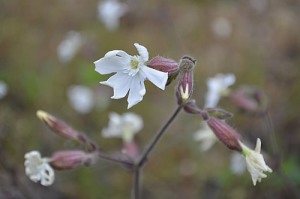
silene-latifolia-white-campion
Silene latifolia
White campion
Pušina
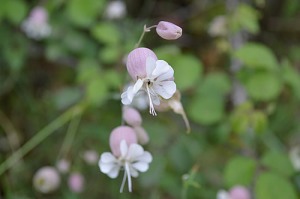
silene-vulgaris-bladder-campion
Silene vulgaris
Bladder campion
Pušina
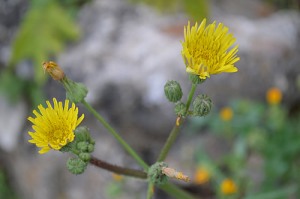
sonchus-asper-prickly-sowthistle
Sonchus asper
Prickly sow-thistle
Oštri kostriš
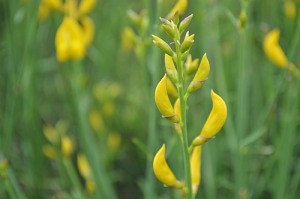
 spartium-junceum-spanish-broom-2
Spartium junceum
Spanish broom
Brnistra
 
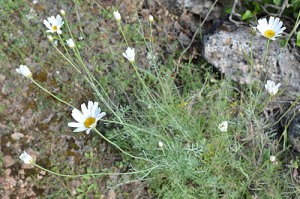
Tanacetum cinerariifolium
Pyrethrum
Buhač
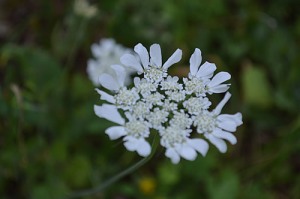
 tordylium-apulium-mediterranean-hartwort
Tordylium apulium
Mediterranean hartwort
Apulijska orja šica
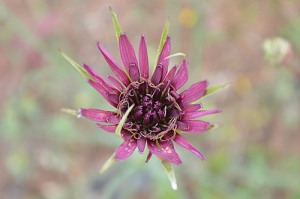
 tragopogon-purple-salsify
Tragopogon porrifolius
Purple or common salsify
Lukasta kozja brada
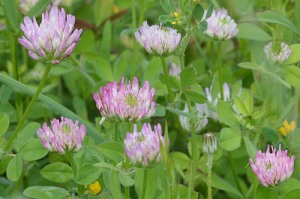
 trifolium-clover
Trifolium
Clover
Djetelina
 vicia-villosa-hairy-vetch
Vicia villosa Roth
Hairy vetch
Vlasastodlakava grahorica

“Art is unquestionably one of the purest and highest elements in human happiness. It trains the mind through the eye, and the eye through the mind. As the sun colours flowers, so does art colour life.”

~ John Lubbock (1834-1913) The Pleasures of Life

© Marion Podolski

This article has been reproduced with kind permission from Marion's blog Go Hvar, Ramblings about a far island. Visit the blog for all kinds of information about Hvar, from artistic to epicurean!

Many thanks to Norman Woolons of Dol for identifying the pink flower from a match in his orchard.

You are here: Home Nature Watch A guide to Hvar's wildflowers - Spring edition

Eco Environment News feeds

  • Amid record-shattering heatwaves and popular demand for climate action, why are politicians often timid or in denial?

    It was, according to the European Commission president, Ursula von der Leyen, the “summer of truth”. Climate chaos ripped through Europe and the northern hemisphere, sending heat records tumbling, scorching crops in the fields, burning forests, emptying rivers and reservoirs, warping train tracks, melting roads and killing about 35,000 people in Europe alone.

    The EU has estimated the damage at about €180bn, and the full bill is yet to arrive: harvests have been depleted, which will probably raise food price inflation, and expensive repairs to infrastructure have only just begun.

    Continue reading...

  • After summer’s heatwaves, prepare for winter of storms and heavy rain, with millions of UK homes at risk of flooding

    The accelerating climate crisis and this year’s record-breaking El Niño mean that, although the summer’s heatwaves are still fresh in the memory, households in the UK are already being told to prepare for a potentially destructive winter of storms and heavy rain – leaving millions of homes at risk of flooding.

    Government action is needed to improve flood defences and build reliance on a national and regional level. But with the UK’s flood season just weeks away, the Guardian spoke to experts to find out what action communities and individuals can take to make their neighbourhoods and homes more resilient, from self-closing airbricks to deflated children’s footballs.

    Continue reading...

  • The world is suddenly full of webs and hairy legs. But why? And what do they belong to? Meet the spiders you’re most likely to encounter, from cardinals to false wolves

    Summer is at an end, and suddenly spiders seem to be everywhere – in your house, in your garden, in your hair. Fresh webs hang from doorways, walls, shrubs and fence posts, creating invisible obstacle courses. Where do all these spiders come from, what kind are they and what, if anything, should we do about them?

    The short answer to the question “Why are there so many more spiders at this time of year?” is: there aren’t. They are just more obvious. Dave Clarke, an ectotherm (“cold-blooded” animal) specialist at the Zoological Society of London, says: “There are more spiders around in the spring, because that’s when they hatch from their egg sacs, and there are hundreds of babies in each egg sac. But they’re small and not very obvious. They grow up during the summer and, at this time of year, they reach their maximum size.” Their webs are also correspondingly larger.

    Continue reading...

  • Stanhope, Weardale: I’ve realised in that time that beauty and fascination can lie in the most mundane of plants – in this case, broad-leaved dock

    After another exceptionally dry summer, there’s a nagging question lurking at the back of naturalists’ minds: which species will be the winners and losers in our evolving climate?

    Throughout summer’s heatwaves and drought, I watched a dense stand of broad-leaved docks, Rumex obtusifolius, thrive while surrounding fields turned the colour of bleached straw. They have promising credentials as drought survivors, thanks to a deep taproot, fast, early spring growth and a long-lasting dormant seed bank in the soil.

    Continue reading...

  • Northern Roots is launching Britain’s biggest urban farm and eco-park, in an effort to boost people’s health and wellbeing

    Standing in the open green space of Northern Roots, it is hard to imagine the landscape as it once was.

    Two cotton mills, two coalmines and an industrial railway once occupied this 65-hectare (160-acre) site in Oldham, Greater Manchester. Later, about 24 hectares became a tip, with much of the space left to nature.

    Continue reading...

  • From Sri Lanka to South Korea, governments are preparing for droughts, wildfires, typhoons and floods – with climate plans facing their biggest challenge to date

    Asian governments are rushing preparations for the most severe El Niño weather event on record, with hundreds of millions of people bracing for multiple crises at once as extreme heat, heavy rain and food shortages hit the region.

    Fuelled by exceptionally warm ocean conditions across the tropical Pacific – and developing alongside the human-driven climate crisis – El Niño is virtually guaranteed to grow to a very strong intensity towards the end of this year and into 2027.

    Continue reading...

  • Long-term research in New York shows efforts to reduce air pollution associated with higher cognitive test scores

    Improvements in air pollution are leading to brighter, smarter toddlers, according to a new study from Columbia University in New York.

    For more than two decades, Prof Frederica Perera and a team from the Columbia Center for Children’s Environmental Health measured the air pollution exposure of pregnant women and the development of their children in the disadvantaged communities of northern Manhattan and the South Bronx. More than 1,100 children were assessed when they were one, two and three years old.

    Continue reading...

  • The public will, for the 12th year in a row, vote for the fattest of brown bears in Alaska’s Katmai national park

    The bears have returned to the river and are packing on the pounds as another Fat Bear Week begins at Katmai national park.

    The 12th annual Fat Bear Week, in which the public will vote for the fattest of Katmai’s brown bears as mothers, cubs and males gather along the salmon-run at Brooks river in Alaska begins on Monday.

    Continue reading...

  • In this week’s newsletter: As the Guardian launches a year-long project, Our Rivers, we take stock of the issues facing waterways around the world

    The nicknames of the world’s biggest rivers give a sense of how we feel about them: “the great river”, “the river that swallows all rivers”, “Mother Ganga” and “Old father Thames”. They feed and water us, and many other animal species. They carry our trade but also give us cool relief on a hot day. They’re nerve endings, elders and sources of comfort, but also of awe and respect.

    And yet many of the world’s rivers are suffering, hit by multiple environmental challenges. A new report out today from the World Meteorological Organization finds that rivers across the world experienced one of the driest years in more than three decades during 2025.

    Climate crisis probably weakened glacier that caused devastating Nepal-Tibet floods, first study finds

    Who are the 514 people accused of starting French wildfires and what motivates them?

    Benedict Cumberbatch on his Earth-saving eco film: ‘We are in the last grab of the extraction era’

    Continue reading...

  • Nearly half a million more of the insects are being released in California – they’re all male and carry abacterium

    The box arrived in the San Gabriel Valley, just east of Los Angeles, filled with more than two dozen paper tubes about the size of toilet paper rolls.

    “All 25 tubes are here,” said Tristan Hallum, who oversees scientific programs for the San Gabriel Valley mosquito and vector control district.

    Continue reading...

Eco Health News feeds

Eco Nature News feeds